
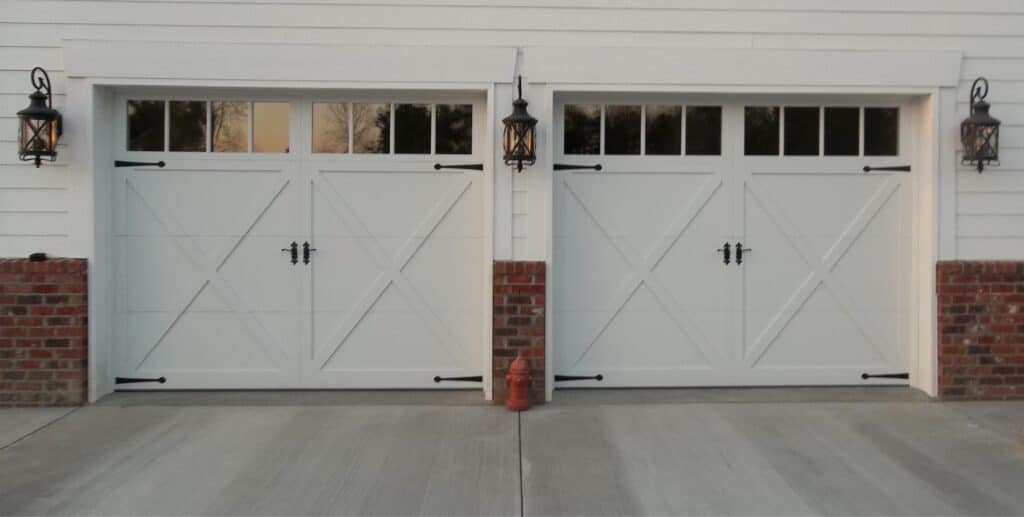
A garage door can be the largest moving wall in your home, and in many Greater Boston houses, it is also the biggest uninsulated surface facing the driveway. An insulated garage door replacement can make the garage less drafty, reduce outside noise, improve door strength, and help protect the rooms above or beside it from temperature swings. The right choice depends on how you use the garage, how it is built, and whether the existing door and hardware are still safe to operate.
If your door rattles loudly, feels thin and flexible, has dented panels, or lets in cold air around the edges, replacement may solve more than a cosmetic problem. A new insulated door should be selected as a complete system, with the proper springs, tracks, weather seals, and opener settings to match its weight and daily use.
When an Insulated Garage Door Replacement Makes Sense
Insulation matters most when the garage is attached to the house, has a finished room above it, or shares walls with a living space. In those situations, a cold garage can pull heat from nearby rooms in winter and send heat upward during the summer. A better-insulated door will not turn an unheated garage into conditioned living space, but it can reduce the sharp temperature changes that make adjacent rooms uncomfortable.
It is also a practical upgrade for homeowners who use the garage as a workshop, gym, storage area, or regular entry point. Less metal-on-metal vibration and a denser panel construction often make an insulated door noticeably quieter than a basic single-layer steel door. That difference is especially welcome when bedrooms are above the garage or neighbors are close by.
Replacement is usually the better path when several panels are damaged, the door is severely rusted, the bottom section has water damage, or the door is outdated enough that matching sections are no longer available. A single damaged panel can sometimes be replaced. But if the door is near the end of its service life, putting money into repeated panel, roller, cable, and hardware repairs may not be the most cost-effective decision.
For detached garages used only for vehicle storage, the calculation is different. Insulation may still be worthwhile for strength, quieter operation, and curb appeal, but the energy benefit may be smaller. A technician can inspect the door, framing, and condition of the existing system before you decide whether repair or replacement makes better sense.
Understanding R-Value Without Overbuying
R-value measures resistance to heat flow. A higher number means the door does a better job slowing the movement of heat through the panel. It is useful for comparing doors, but it should not be the only number you consider.
A basic insulated steel door may offer a moderate R-value that is appropriate for an unattached garage in Massachusetts or Rhode Island. A higher R-value door can be a better fit for attached garages, climate-controlled workshops, or homes with living space directly above the door. The best choice is not automatically the highest available rating. It is the rating that matches the building and the way you use it.
Pay attention to how the manufacturer states the rating. Some doors list the insulation material’s R-value, while others list the assembled door section’s value. Those figures are not always directly comparable. Steel skins, seams, windows, and construction details all affect real-world performance.
A good installation also needs perimeter weatherstripping and a durable bottom seal. Even a well-insulated door will underperform if cold air enters through large gaps at the sides, top, or floor. If the concrete floor is uneven or the opening is out of square, those issues should be addressed during the measurement and installation process.
Choose the Panel Construction for Your Garage
Most insulated residential doors use steel exterior panels with insulation placed between layers. The main difference is whether the door has one, two, or three layers.
Single-layer steel doors have no insulation and tend to flex more easily. They are often chosen for lower upfront cost, but they provide the least sound control and the least protection from weather. Two-layer doors pair steel with insulation on the interior side. They can be a sensible middle ground for many detached garages.
Three-layer doors use steel on both the exterior and interior, enclosing the insulation. This construction is usually stronger, quieter, and more finished-looking from inside the garage. It is often the best fit for an attached garage, though it costs more and weighs more than a non-insulated model.
Insulation type matters as well. Polystyrene is commonly used in rigid panels and provides a reliable performance upgrade at a manageable price. Polyurethane is injected between the steel layers, bonding to the panels and creating a denser, stronger door with higher insulation values. For a busy attached garage, polyurethane can be a worthwhile investment. For a lightly used detached garage, polystyrene may provide the value you need.
Style should support the home’s exterior, but it should not override durability. Raised-panel steel, carriage-house designs, contemporary flush panels, and window layouts can all work well. Windows add daylight and curb appeal, yet they also reduce the insulated portion of the door. Insulated glass options can help, but homeowners who prioritize thermal performance may prefer fewer or smaller windows.
A Heavier Door Needs the Right Hardware
An insulated door weighs more than a basic door, sometimes significantly more. That is why replacement is not just a matter of hanging new panels on old hardware. Torsion springs must be correctly sized for the completed door, and cables, drums, rollers, hinges, tracks, and bearings need to be inspected for wear.
The spring system is under extreme tension. Do not try to adjust torsion springs, remove bottom brackets, or reset cables yourself. A door that is not properly balanced can drop unexpectedly, damage the opener, or create a serious injury risk.
During installation, the door should be balanced so it can stay near the halfway point when disconnected from the opener. The opener should then be adjusted for the new door’s travel and force requirements. If your opener is older, noisy, or struggles to lift the existing door, this is a good time to discuss replacement or a smart-opener upgrade. A properly sized opener is not meant to compensate for a poorly balanced door.
What to Expect From the Replacement Process
A professional replacement starts with on-site measurements, not a guess based on the old door size. The technician checks the width and height of the opening, headroom above the door, side room, track condition, ceiling clearance, and the available space for the spring system. These details determine which door, track setup, and hardware will fit safely.
You should receive clear options based on material, insulation level, style, windows, color, and hardware. A transparent quote should explain what is included: removal of the old door, new tracks and springs where needed, weather seals, installation labor, opener work if requested, and warranty coverage. Ask whether the quote includes disposal and whether any framing or electrical work is outside the scope.
On installation day, the old door and hardware are removed carefully, the opening is prepared, and the new sections are assembled and aligned. The technician installs and tensions the spring system, checks the safety sensors, tests the balance, and confirms that the opener reverses correctly when required. The work should finish with a clean area and a straightforward explanation of basic care.
AB Garage Door can inspect your current system, explain repair versus replacement without pressure, and install an insulated door that fits your home’s opening and daily needs. For homeowners and light-commercial property owners, the goal is dependable operation, not a complicated sales process.
Protect the Investment After Installation
An insulated door needs the same basic attention as any other garage door. Keep the tracks clear, look over rollers and hinges a few times each year, and make sure the bottom seal is not torn or crushed. Lubricate moving metal parts with a garage-door-approved lubricant, but do not grease the tracks.
Test the opener’s photo-eye sensors and auto-reverse feature regularly. If the door begins shaking, squeaking, moving crookedly, or stopping partway, schedule service before a minor issue damages the new panels or puts extra strain on the opener. Springs and cables can wear without obvious warning, particularly on doors that cycle several times each day.
A well-chosen insulated door is not just an upgrade you notice from the street. It is a quieter, stronger barrier between your home and New England weather, installed to open safely every time you need it.