
- Services
- Garage Doors
- Service Areas
Attleboro, MA
Bellingham, MA
Canton, MA
Framingham, MA
Franklin, MA
Franklin, MA
Mansfield, MA
Milford, MA
Natick, MA
North Attleboro, MA
Uxbridge, MA
Walpole, MA
Woonsocket, RI
Ashland, MA
Ashland, MA
Blackstone, MA
Cumberland, RI
- About
- Contact
- Services
- Garage Doors
- Service Areas
Attleboro, MA
Bellingham, MA
Canton, MA
Framingham, MA
Franklin, MA
Franklin, MA
Mansfield, MA
Milford, MA
Natick, MA
North Attleboro, MA
Uxbridge, MA
Walpole, MA
Woonsocket, RI
Ashland, MA
Ashland, MA
Blackstone, MA
Cumberland, RI
- About
- Contact
Need a quick offer? Call us now
(617) 655-6581
- Open 24/7
- Emergency Repair
Garage Door Cable Repair in Natick, MA
One side of your garage door is sitting lower than the other, or the whole panel has dropped and jammed sideways in the track. That is a cable off the drum, or a cable that has frayed through and let go. It is one of the more common calls we get from the older streets around South Natick and the split-level neighborhoods off Route 27, where doors have been running on the same hardware for a couple of decades.
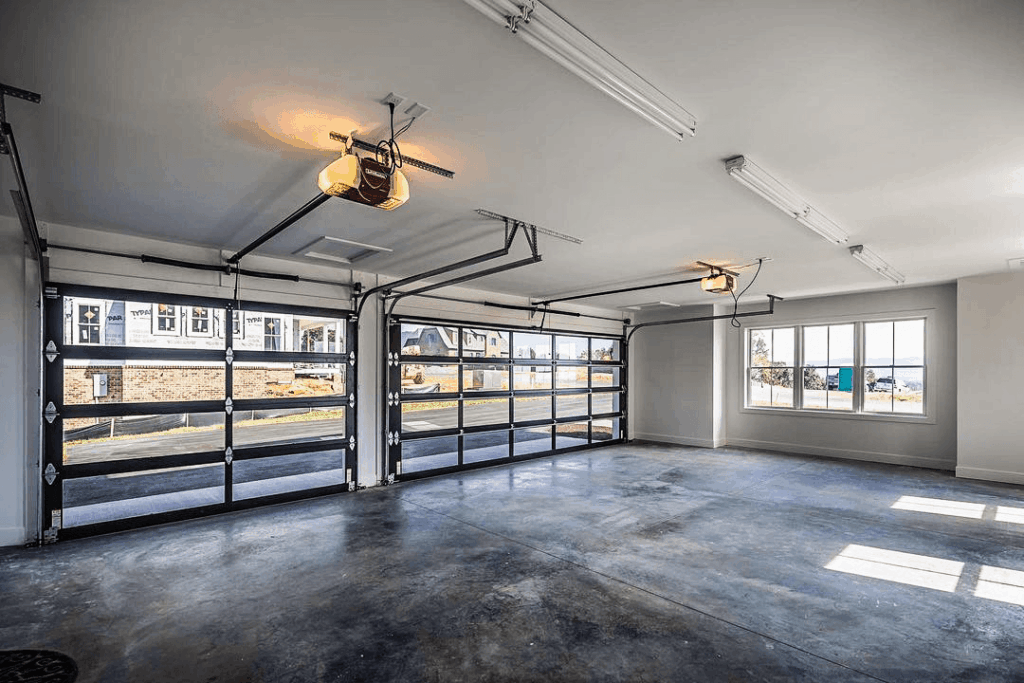
A cable failure on its own is a nuisance. A cable failure combined with a door that someone tries to force open or closed is how people get hurt. If a cable has come off the drum or snapped, leave the door where it is and call us. The fix is straightforward for someone who does this daily. It is not a job to improvise.
Garage Door Cable Repair in Natick
The lifting cables run from the bottom bracket of the door up to a drum mounted on each end of the torsion shaft, or in older extension-spring setups, from the bottom bracket back along a pulley to the spring itself. Either way, that cable is carrying real load every time the door moves, and it is the first thing to wear out on a door that has gone years without attention.
Most Natick calls fall into three patterns. A cable strand frays and lets go, usually at the drum where it bends sharpest. A cable jumps off the drum because the door is out of balance and one spring is doing more work than the other, which throws the drum rotation off and walks the cable sideways. Or a bottom bracket has rusted or loosened where the cable attaches, which is common on older wood doors that have taken moisture over the years.
The repair means releasing tension from the torsion spring safely, pulling the old cable and drum assembly, fitting a new cable sized to the door’s weight and drum, re-tensioning the spring to the correct number of turns, and rebalancing the door so both cables share the load evenly. If the drum itself is grooved or cracked we replace it at the same time, since a worn drum will cut through a new cable in short order.
What we look at
What we look at
We do not just swap the broken cable and leave. A cable rarely fails in isolation, so we check the system around it before we call the job done.
Door balance and movement
With the opener disconnected, we move the door by hand partway up and see if it holds position. A door that drifts down or shoots up is out of balance, and that imbalance is usually what put uneven load on the cable in the first place. Rebalancing the springs is part of a proper cable repair, not an upsell.
Spring type and cycle rating
We confirm whether you have torsion springs on a shaft above the door or extension springs stretched along the horizontal tracks, and we check the wire gauge and cycle rating against the door’s weight. A spring rated for fewer cycles than the door actually sees will wear out early and keep stressing the cables on the way.
Cable and drum condition
Both cables get checked for fraying, not just the one that broke, along with the drums they wind onto. If one cable has gone, the other is usually close behind on a door of the same age, so we tell you honestly if it is worth doing both at once rather than having you call back in a few months.
Track alignment, opener settings, and safety reversal
A door that binds in the track puts extra strain on whatever cable is fighting that resistance, so we check the tracks are plumb and properly spaced. We also check the opener’s force and limit settings, since an opener set to push too hard will mask a cable or balance problem until something gives. Finally we test the safety reversal, confirming the door reverses properly on contact, before we call the job finished.
Homes in Natick
None of this takes long once we are on site with the right hardware, but it is the difference between replacing a cable and actually fixing why it broke.
Homes in Natick
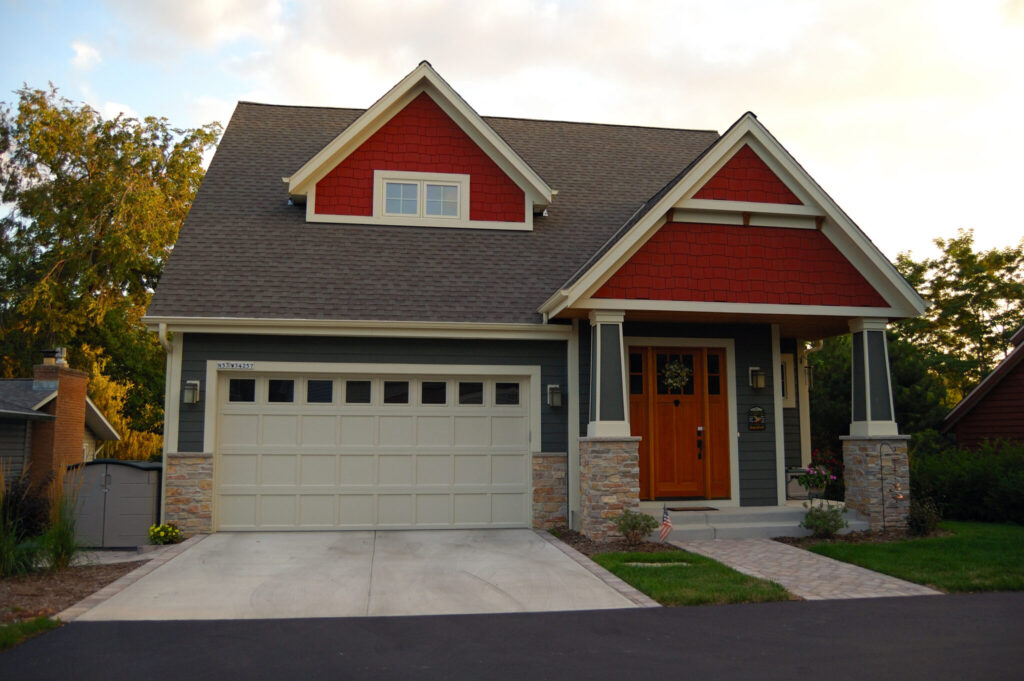
Natick has a wide spread of housing stock, and it shows in the doors we work on. The older homes close to the center and around South Natick often have single detached garages or doors sized for a single car, sometimes still wood construction on properties that have not been updated. Those doors carry more weight per square foot than a modern steel or composite door, which puts more demand on the cables and springs supporting them.
Further out, in the subdivisions built from the 1960s onward around Eliot and the areas near Lake Cochituate, you see more two-car attached garages with wider steel doors, often on the original builder-grade torsion spring systems. Those systems were sized for the door’s starting weight, and years of panel repairs, added insulation, or a replaced heavier door can throw that sizing off, which is a common reason we find a cable working harder than it should on a door that looks otherwise fine.
What it costs
In both cases the pattern is the same: the cable is rarely the whole story, and a home’s garage setup tells us a lot before we even open the door.
What it costs
A single cable replacement on a door that is otherwise in good shape runs toward the lower end of the range, around {PRICE_LOW}. Jobs that involve replacing both cables, a worn drum, or rebalancing springs that have clearly been neglected for years push toward {PRICE_HIGH}. Door weight, whether it is torsion or extension spring, and how much else needs attention while we are in there are what move the number. We will tell you the actual figure before any work starts, not after.
How fast we can get there
We would rather quote accurately on site than guess over the phone and surprise you later.
Got Questions?
Common questions
Can I close my garage door manually if a cable has snapped?
Do not force it. A snapped or derailed cable means the door is no longer supported evenly, and the spring system is still under full tension. Leave the door in its current position and call for a repair.
Why did only one cable break if both are the same age?
Uneven spring tension or a door that has drifted out of balance often puts more load on one side. That side's cable wears faster and usually goes first, with the other cable typically not far behind.
Is this a problem with my springs or my cables?
Often both, since the two systems work together. A spring that has lost tension or is undersized for the door will throw extra strain onto the cables, which is why we check balance and spring condition any time we're called out for a cable issue.
Do older wood garage doors in Natick need different cables?
The cable itself is sized to the door's actual weight, and older wood doors are typically heavier than modern steel or composite ones. We measure and size accordingly rather than assuming a standard cable will hold.
How long does a cable repair take?
A straightforward single-cable job is usually done within a couple of hours once we're on site. If balance work, drum replacement, or opener adjustments are needed too, it can run longer, which we'll explain before starting.
How fast we can get there
Natick is about 13.7 miles from our base in Bellingham, a straightforward run down Route 109 or 9 depending on time of day. We do not promise a fixed arrival window on the phone, but we will give you a realistic estimate when you call and keep you updated if traffic on 9 is heavier than expected.
Call AB Garage Door
If a cable has let go or jumped the drum, do not try to free the door or force it closed. Leave it as it sits and call us. We will talk you through what to check safely over the phone and get a technician out to make the repair properly.
Request a Free Quote
Call {PHONE} to describe what the door is doing, or send details through our quote request form and we will follow up to schedule a visit. AB Garage Door is licensed and insured in MA and NH, serving Natick and the surrounding towns out of our Bellingham shop.