
- Services
- Garage Doors
- Service Areas
Attleboro, MA
Bellingham, MA
Canton, MA
Framingham, MA
Franklin, MA
Franklin, MA
Mansfield, MA
Milford, MA
Natick, MA
North Attleboro, MA
Uxbridge, MA
Walpole, MA
Woonsocket, RI
Ashland, MA
Ashland, MA
Blackstone, MA
Cumberland, RI
Dover, MA
Foxborough, MA
Holliston, MA
Hopkinton, MA
Medfield, MA
Medway, MA
Mendon, MA
Westwood, MA
Sharon, MA
- About
- Contact
- Emergency Repair
Garage Door Opener Repair in Blackstone, MA
Your opener clicks but the door doesn’t move, or it moves a few inches and reverses, or it has gone silent altogether. Along Blackstone’s older streets near the Mill River and out toward the Branch Street and St. Paul Street neighborhoods, a lot of that comes down to garages built decades ago for a lighter door than the one hanging on the track now.
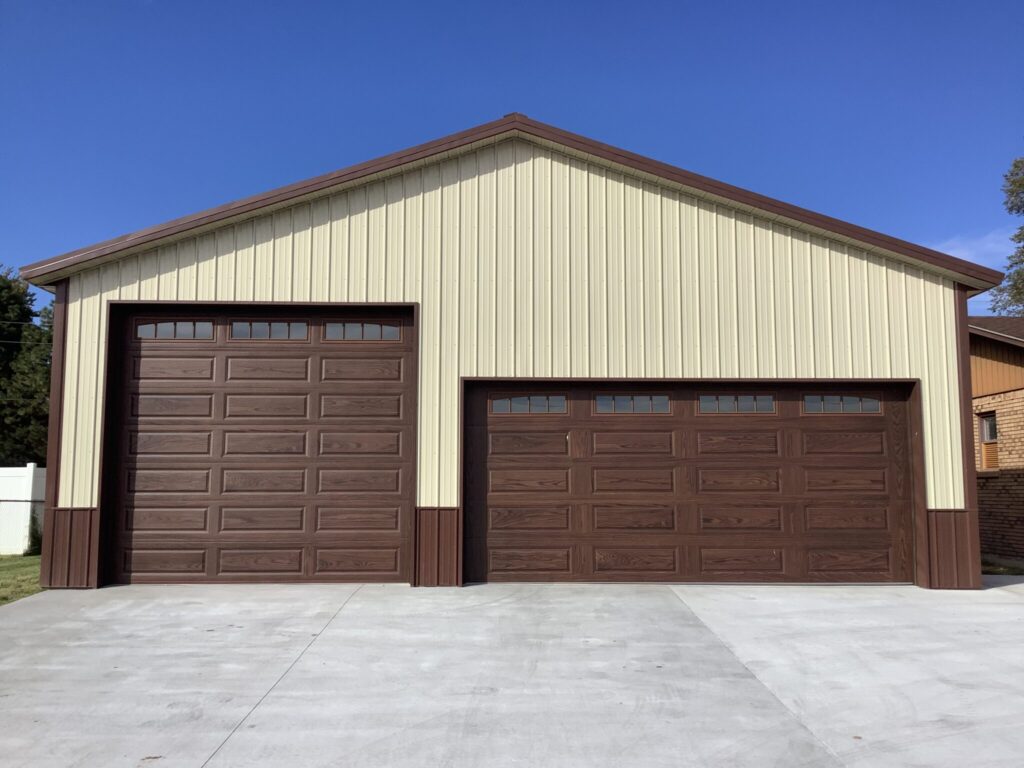
We see it often: a homeowner replaces a sagging wood door with a heavier insulated steel one and keeps the original chain-drive opener. The motor was never sized for the new load, so it strains, the gear wears early, and the whole thing quits at the worst moment. That’s a repair call, not a mystery.
Garage Door Opener Repair in Blackstone
An opener that struggles or stops is almost always reacting to something else going on with the door. The motor unit itself – belt, chain, or screw drive – is usually the last thing to fail, not the first. Before we touch the opener, we check whether the door is fighting it.
Common faults we find on service calls in Blackstone: stripped drive gears from a chain-drive unit working against an unbalanced door, worn trolley carriages that let the chain slap, logic boards that have lost their programmed limits after a power surge, and safety sensors (photo eyes) that have drifted out of alignment or gotten knocked by a stored bike or trash bin. We also replace worn drive belts and reset travel limits on units where the door no longer seats flush at the floor.
If the torsion spring above the door has broken or lost tension, the opener will try to lift the full weight of the door alone, which burns out the motor fast. We don’t ask homeowners to touch a torsion spring – it’s wound under several hundred pounds of tension and it has put people in the hospital. That part of the job is ours.
What we look at
When we’re called out for a garage door opener issue in Blackstone, we start with a methodical check of the unit itself. We look at the motor’s response when the remote or wall switch is pressed, listening for grinding, humming, or a lack of response altogether. Circuit boards, wiring connections, and the capacitor are inspected for wear, corrosion, or burnout.
Opener force, limits, and safety reversal
Every opener has a force setting and travel limits that tell it how hard to push and where to stop. Set wrong, the door either won’t close fully or closes with too much force. We test the safety reversal – the door must stop and back up the instant it meets resistance, such as a 2×4 laid flat on the floor in its path. If it doesn’t reverse, that opener does not get left in service until it’s fixed.
Door balance and spring system
We disconnect the opener and lift the door by hand. A properly balanced door stays put at the halfway mark. If it drops or shoots up, the torsion or extension springs are no longer matched to the door’s weight, and the opener has been compensating every cycle. We check the spring type, the wind, and whether the cycle rating on the spring suits how often the door gets used.
Cable and drum condition
The lift cables run from the bottom brackets up over the cable drums at each end of the torsion shaft. We look for fraying, uneven winding on the drum, and loose set screws. A cable that’s starting to fray under a wound spring is a hazard we flag immediately, before it lets go under load.
Track and roller alignment
Tracks that have pulled away from the frame, or rollers that have worn flat or cracked, make the opener work harder than it should and can cause the door to bind partway through the cycle. We check plumb on both tracks and check each roller for play in its stem and wear on its wheel.
Homes in Blackstone
Blackstone has a good number of older single-family homes built in the late 1800s and early 1900s mill-era period, many with detached garages added later and sized for a single car rather than the double-wide bays common in newer construction. On these properties we still find original wood-panel doors with older torsion springs that have long outlived their rated cycle count, paired with openers that were clearly installed as an afterthought rather than matched to the door.
Newer construction toward the edges of town, including homes built from the 1980s onward, more often has attached two-car garages with standard 16-foot double doors or paired 9-foot single doors, running steel sectional doors and belt-drive openers. These setups fail less from age and more from use: the opener running daily for two vehicles, sensors knocked by stored items, or a door that’s never been rebalanced since the springs were first set.
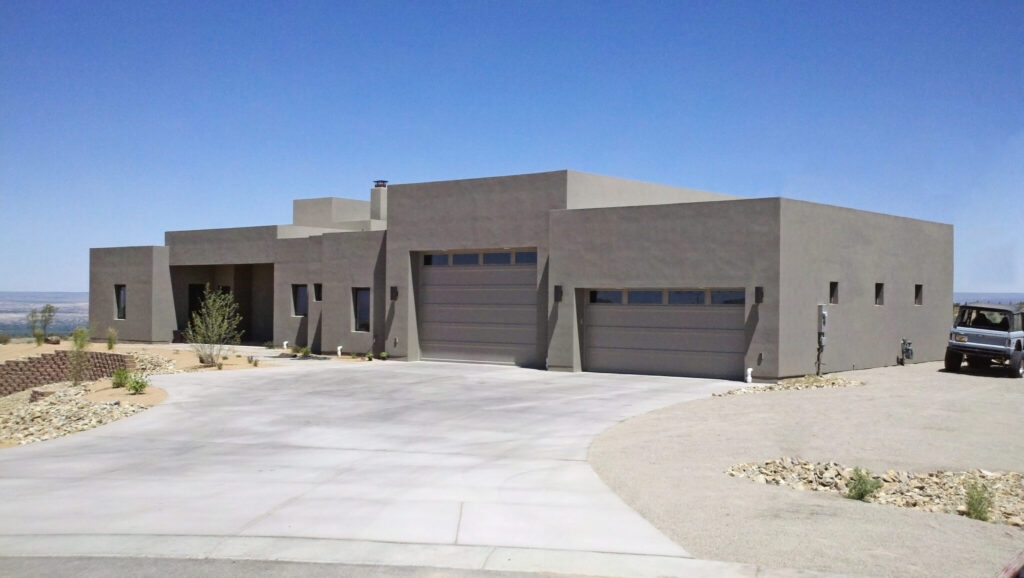
Whichever type of garage you have, the fix depends on what’s actually wearing out, not a generic part swap.
What it costs
Garage door opener repair in Blackstone, MA, typically costs between $100 and $350. A logic board reset or sensor realignment generally falls toward the lower end, while a complete opener replacement, a stripped gear on an opener that is no longer worth repairing, or repairs requiring door rebalancing and new springs can increase the total cost.
We diagnose the problem and provide a clear quote before starting any work, so you know the expected cost upfront.
Got Questions?
Common questions
My opener light blinks but the door won't move. What's wrong?
That's usually the opener reporting an error code tied to the safety sensors or a force limit that's been tripped. It can also mean the motor is trying to lift a door it can no longer handle because a spring has weakened. We check both before replacing anything.
Can you fix the opener without replacing the whole unit?
Often, yes. Worn gears, drive belts, logic boards, and sensors can usually be replaced individually. We only recommend a full opener swap when the unit is old enough that parts are hard to source or the motor itself has failed.
Why does my opener work sometimes and not others?
Intermittent failures are commonly a sensor alignment issue, a loose wire at the wall control, or a door that's borderline out of balance and only stalls the motor under certain conditions, like cold weather stiffening the hardware.
Is it safe to keep using the opener if the door doesn't reverse when it hits something?
No. If the safety reversal doesn't work, stop using the opener until it's repaired. That function exists specifically to stop the door before it injures someone or something underneath it.
Do older wood garage doors in Blackstone need a different opener?
They need an opener matched to their actual weight, which is often heavier than a standard steel sectional door. We weigh the lift requirement before installing or replacing an opener on an older wood door.
How fast we can get there
Blackstone is about 9.3 miles from our base in Bellingham, a short run down Route 126 or through Millville. We fit opener calls in alongside spring and door repairs across the area, and we’ll give you an honest arrival window when you call rather than a vague promise.
Get Your Free Repair Quote
Ready to fix that stubborn garage door opener? Tell us what’s happening and a technician serving Blackstone will follow up with a straightforward quote, no pressure involved.
- Opener not responding or reversing unexpectedly
- Remote or keypad issues
- Grinding, slow, or noisy motor operation
Share a few details and we’ll reach out to schedule a visit around your availability.