
- Services
- Garage Doors
- Service Areas
Attleboro, MA
Bellingham, MA
Canton, MA
Framingham, MA
Franklin, MA
Franklin, MA
Mansfield, MA
Milford, MA
Natick, MA
North Attleboro, MA
Uxbridge, MA
Walpole, MA
Woonsocket, RI
Ashland, MA
Ashland, MA
Blackstone, MA
Cumberland, RI
Dover, MA
Foxborough, MA
Holliston, MA
Hopkinton, MA
Medfield, MA
Medway, MA
Mendon, MA
Westwood, MA
Sharon, MA
- About
- Contact
- Emergency Repair
Garage Door Spring Repair in Hopkinton, MA
A bang from the garage, then a door that won’t lift past a few inches, usually means one thing: a torsion spring has let go. If your car is stuck inside and the opener is straining or clicking without moving the door, stop pulling the release cord and stop trying to force it.
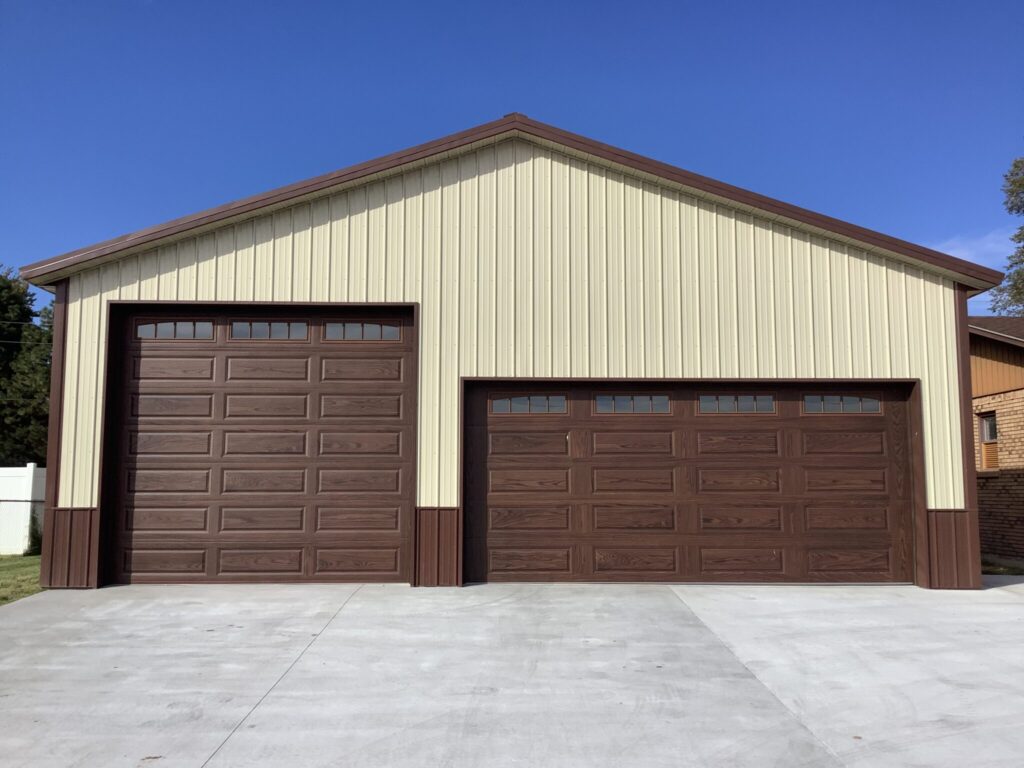
Hopkinton’s housing stock runs from older farmhouse-era homes near the center to the larger colonials and garrisons built up through the 1990s and 2000s out toward the reservoir and the newer subdivisions. That mix means we see everything from a single narrow door on an older detached garage to a pair of 16-footers on an attached three-car setup, and the spring that failed on yours depends a lot on which one you’ve got.
Garage Door Spring Repair in Hopkinton
Most residential doors run on one of two spring systems: torsion springs mounted on a shaft above the door, or extension springs stretched along the horizontal tracks on either side. Torsion springs fail more often simply because they cycle more and carry more load per coil. When one breaks, you’ll usually hear it, and you’ll see a visible gap in the coil when you look up at the shaft. The door will feel dramatically heavier, because the spring was doing nearly all the lifting work, not the opener.
Extension springs fail differently, often with a stretched or snapped coil hanging loose above the track, sometimes with the safety cable still holding the pieces in place if one was installed. Either way, the fix involves removing the old spring or springs, matching the replacement to the door’s weight and the drum size on the shaft, and re-tensioning the system so the door balances correctly across its full travel. This is not a bolt-swap. A torsion spring is wound under very high tension to do its job, and getting that tension wrong, or trying to release it without the right bars and setup, is how people end up in the emergency room. We don’t walk customers through this over the phone, and you shouldn’t attempt it yourself.
What we look at
What we look at
A spring replacement isn’t done right if nobody checks what else is working against the spring. Before we quote the job, we go through the same checks every time.
Door balance and movement
With the opener disconnected, a correctly sprung door should sit still at any point when lifted halfway, and move smoothly with light hand pressure the rest of the way. A door that drops on its own, or that feels uneven side to side, is telling us something beyond just a broken spring, maybe a second spring near failure, maybe a track problem.
Spring type and cycle rating
We confirm whether you have torsion or extension springs, how many, and what cycle rating fits the door’s weight and your usage. A heavier insulated door opened multiple times a day wears through an undersized spring a lot faster than a light single door opened once in the morning.
Cable and drum condition
The cables that run from the bottom brackets up to the drums on the torsion shaft take real load, especially right after a spring fails and the door drops unevenly. Frayed strands, a cable off the drum, or a chipped drum are common after a spring break and need to be caught before the new spring goes on, not after.
Tracks, opener settings, and safety reversal
We check the tracks for bends or loose brackets, since a spring failure sometimes happens alongside a door that’s been fighting a misaligned track for a while. On the opener side, we confirm the travel limits and force settings are correct once the new spring is in, and we test the safety reversal, the feature that makes the door stop and back up if it meets resistance closing. That test matters more right after spring work than almost any other time, since the new spring changes how the door balances against the opener’s force setting.
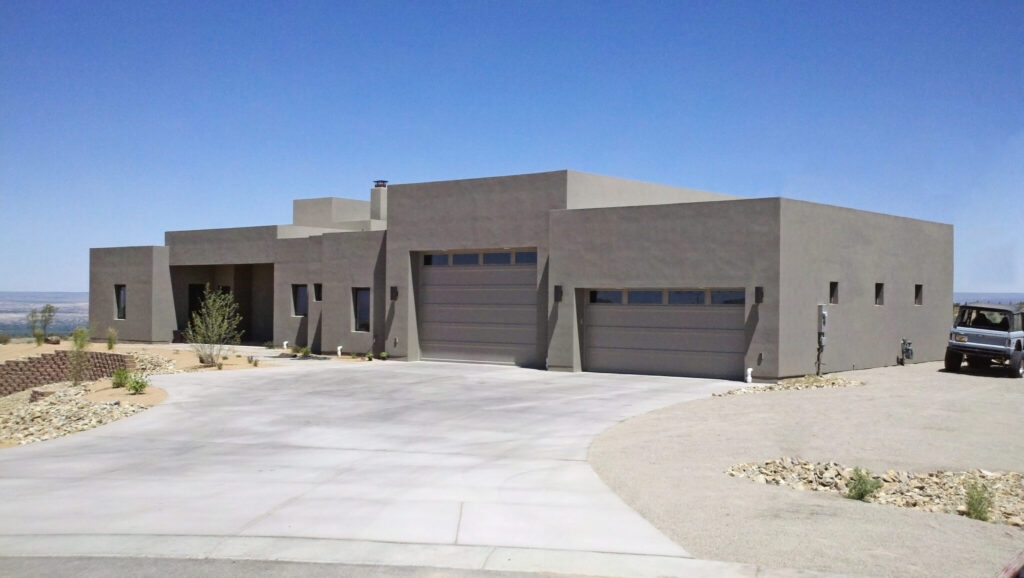
Homes in Hopkinton
A good number of the older properties around the town center and along the roads leading out past Lake Maspenock still run original wood or early steel doors on detached garages, often single-car, sometimes with extension springs rather than torsion setups if the garage was built or converted decades back. Those doors tend to be lighter but the hardware is older, so a spring failure often comes with worn cables or a drum that’s seen better days.
Out toward the newer development on the west and south sides of town, attached two- and three-car garages with wider steel or insulated fiberglass doors are standard, nearly all running torsion spring systems sized for the heavier door weight. These newer doors put more cyclic load on a single spring or spring pair, which is part of why torsion failures show up fairly often once a system passes several years of regular use.
What it costs
Either style of home gets the same approach from us: confirm what failed, check what’s connected to it, and replace with hardware rated for the door you actually have rather than whatever was cheapest to grab off the shelf.
What it costs
Spring repair pricing runs between {PRICE_LOW} and {PRICE_HIGH} for most Hopkinton jobs. Where you land in that range depends on whether it’s a single torsion spring or a pair, the cycle rating needed for your door’s weight, whether cables or drums need replacing alongside the spring, and whether the opener needs reprogramming after the balance changes. We quote the job after looking at the door in person or over a clear phone description, not before.
Got Questions?
Common questions
Can I use my garage door with a broken spring until someone comes out?
No. With a torsion spring broken, the opener is left carrying the full weight of the door, which can strip the gears or motor and, more importantly, risks the door dropping suddenly. Leave the door closed and use a side door if you can.
Why did my spring break with no warning?
Torsion and extension springs are rated for a set number of open-close cycles, typically somewhere in the range manufacturers publish for each spring type. Once a spring nears the end of that cycle life, it can fail on an ordinary, unremarkable lift with no prior symptoms.
Do you replace one spring or both at the same time?
If your door runs on a pair of torsion springs and one has failed, we'll generally recommend replacing both, since the second is usually close behind on cycle life and was carrying extra strain the moment the first one broke.
Is a broken spring something I can fix myself?
No. A torsion spring holds a large amount of stored energy under tension and the tools and technique to wind or unwind it safely take training. We handle the removal and installation ourselves on every job.
Will a new spring fix my noisy or slow-moving opener too?
Often, yes. A failing spring forces the opener to work harder than it's built for, which shows up as grinding, slow travel, or the opener struggling partway through the cycle. Once the door is properly balanced again, a lot of that strain disappears, though we'll flag it separately if the opener itself needs attention.
How fast we can get there
Hopkinton sits about 12.4 miles from our base in Bellingham, a straightforward run out Route 140 or 16 depending on where in town you are. We don’t make blanket same-day promises here, since it depends on what’s already on the schedule, but call and we’ll give you a real answer on timing for your specific situation rather than a generic one.
Get Your Free Spring Repair Quote
Ready to fix that broken or noisy spring? Tell us a bit about your garage door and a Hopkinton technician will follow up with a clear, no-obligation quote. We’ll ask about your door size, spring type, and what you’re noticing so we can prepare the right parts before we arrive.
- Quick response from a local team
- Straightforward pricing, no surprises
- Honest advice on repair versus replacement