- Services
- Garage Doors
- Service Areas
Attleboro, MA
Bellingham, MA
Canton, MA
Framingham, MA
Franklin, MA
Franklin, MA
Mansfield, MA
Milford, MA
Natick, MA
North Attleboro, MA
Uxbridge, MA
Walpole, MA
Woonsocket, RI
Ashland, MA
Ashland, MA
Blackstone, MA
Cumberland, RI
Dover, MA
Foxborough, MA
Holliston, MA
Hopkinton, MA
Medfield, MA
Medway, MA
Mendon, MA
Westwood, MA
Sharon, MA
- About
- Contact
- Emergency Repair
Garage Door Opener Repair in Medway, MA
Your opener clicks and the light flashes but the door doesn’t move. Or it reverses halfway down every time, like something invisible is pushing back. That second one is usually the safety reversal doing exactly what it’s supposed to do, which means the problem isn’t the opener at all – it’s the door.
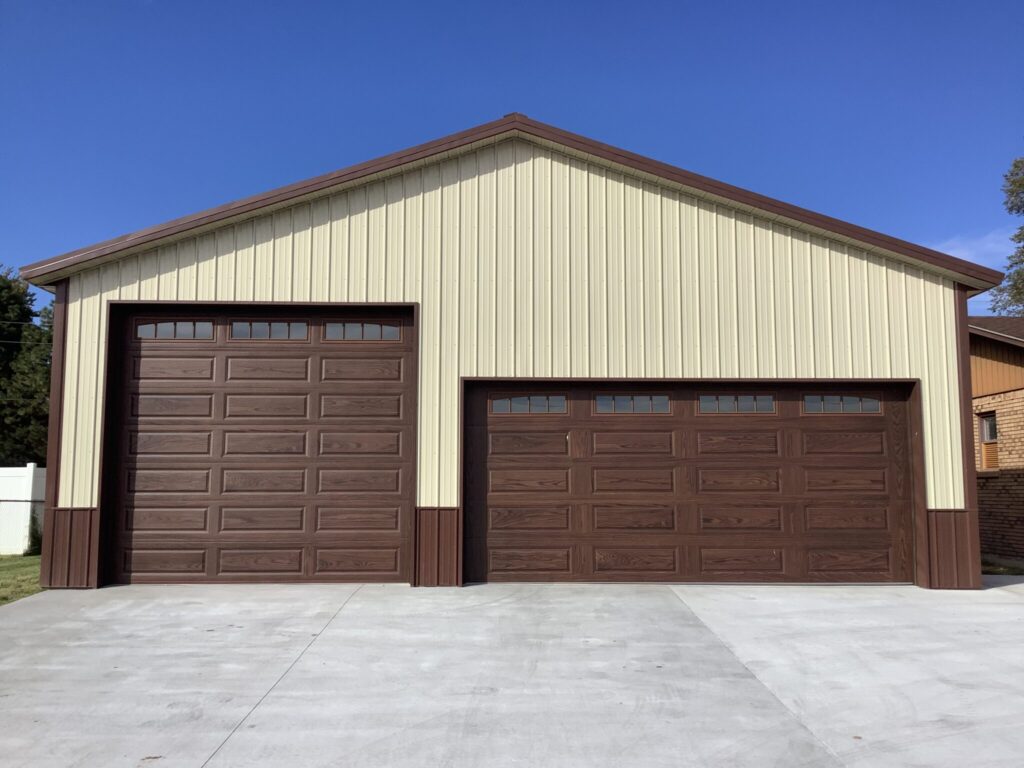
Medway homes sitting off Village Street and around Oakland Street tend to have the original builder-grade opener still bolted to the ceiling, now pushing a heavier insulated door than it was ever set up for. That mismatch is where most of our opener calls in this town start.
Garage Door Opener Repair in Medway
When a chain-drive or belt-drive opener won’t lift the door, the motor itself is rarely the first thing we check. We check whether the door is actually balanced – because an opener fighting a spring that’s lost tension will burn out its drive gear trying to compensate, and replacing the opener without fixing the spring just buys you another dead motor in a year.
Common Medway calls include a trolley that’s disengaged from the carriage (the door moves by hand but not by remote), a logic board that’s lost its memory after a storm-related power flicker, stripped gears inside the opener head, and limit switches that have drifted so the door either stops short or keeps straining against the floor after it’s already closed. We also replace worn drive belts and chains, re-pair remotes and keypads, and reset travel limits so the door opens and closes to the same point every cycle.
If the opener is original to the house and parts are no longer supported, we’ll say so and quote a replacement rather than patch a unit that’s going to fail again in six months.
What we look at
What we look at
Every opener call starts with the door, not the motor. An opener is only as reliable as the door it’s lifting.
Door balance and spring system
We disconnect the opener and move the door by hand. A properly balanced door stays put at any height. If it drops or shoots up, the torsion or extension springs have lost tension or one has failed. We identify which spring type is fitted and check it against the door’s weight and cycle rating before touching anything – this is not a repair we hand off to a homeowner, torsion springs are under enough stored force to cause serious injury.
Cable and drum condition
The lifting cables run from the bottom bracket up to the cable drums at each end of the torsion shaft. Frayed strands, a cable that’s jumped the drum groove, or a drum that’s cracked will all throw the door off balance and make the opener work harder than it should. We check both sides, not just the one that looks obviously worn.
Track and roller alignment
Tracks that have drifted out of plumb, or rollers that are worn and binding, create resistance the opener has to push through on every cycle. Over time that resistance is what burns out drive gears and strips nylon sprockets inside the opener head. We check plumb, check the gap at the track joints, and check roller wear before we blame the motor.
Opener force, limits, and safety reversal
We test the up and down limit settings, check the force setting against how hard the door is actually working to move, and run the safety reversal test – a 2×4 laid flat under the door should trigger an immediate reverse. If it doesn’t, that opener does not get left running until it’s fixed, regardless of what else is on the call.
Homes in Medway
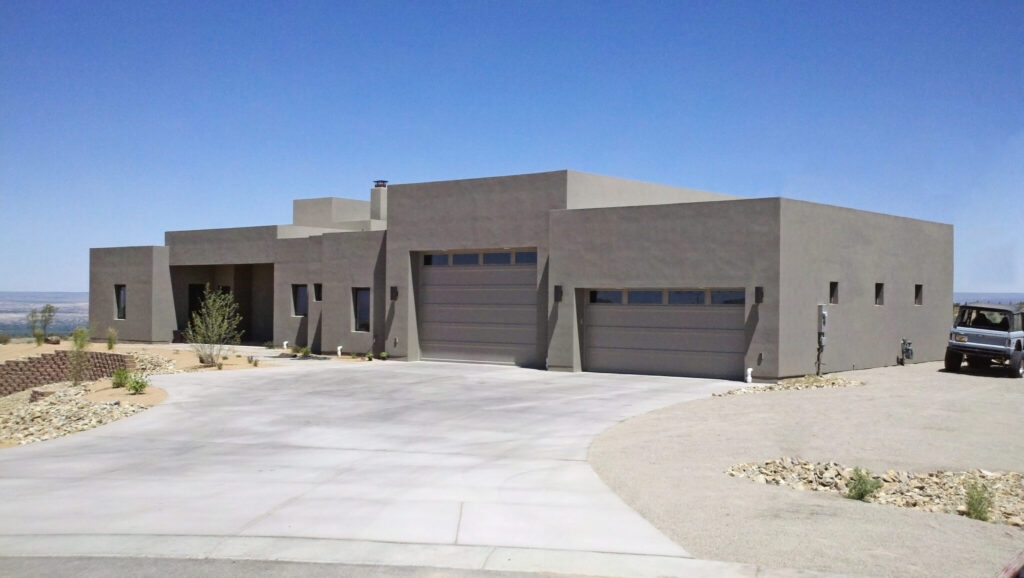
Medway’s older stock, the capes and colonials built up through the 1970s and 80s around the center of town and off routes like Holliston Street, mostly carry single attached garages, many still with the original 8-foot or 9-foot wide door and a builder-grade opener that’s never been serviced. Some of these houses still have a wood door in service, and wood doors are heavier and age unevenly, which means the spring tension that was right ten years ago often isn’t right today.
Newer construction off the west side of town and in the subdivisions built since the 1990s and 2000s tends to run wider, two-car attached garages with insulated steel doors and heavier openers already installed. These lift more weight, so when a spring does go or an opener starts struggling, it tends to show up as a hard stop or a loud bang rather than a slow drift – the extra load has less room to fail quietly.
What it costs
Whatever the house, the diagnosis works the same way: door first, drive system second, electronics last.
What it costs
A straightforward opener repair – remote reprogramming, a limit or force reset, a replacement drive belt or gear kit – sits toward the lower end, around {PRICE_LOW}. Jobs that involve a full opener replacement, or where the real fault is a spring or cable issue that has to be corrected before the opener will run properly, land closer to {PRICE_HIGH}. We give you the number after we’ve looked at the door, not before, because quoting an opener fix without checking the spring and cables is how homeowners end up paying twice.
Got Questions?
Common questions
Why does my opener reverse before the door closes all the way?
That's the safety reversal responding to something – usually a sensor that's misaligned, dirty, or blocked, or a door that's out of balance and struggling near the floor. It's working correctly even though it's annoying. Don't disable it.
Can you fit a new opener to my existing Medway garage door without replacing the door?
In most cases, yes. We match the opener's horsepower and drive type to your door's weight and size, and check the existing springs and track first so the new opener isn't inheriting a balance problem from day one.
My opener runs but the door won't move. Is that the motor?
Often not. A trolley disengaged from the carriage, a broken drive gear, or a snapped spring can all leave the opener running with no load on it. We check the drive system and door connection before assuming the motor's gone.
Do you work on older wood garage doors still common in parts of Medway?
Yes. Wood doors are heavier than steel and the weight often changes slightly as the wood ages, so the spring tension needs rechecking more often. We size any opener repair or replacement to the door's actual current weight, not its original spec.
How do I know if it's the opener or the springs that failed?
Disconnect the opener (pull the red release cord) and lift the door by hand. If it's heavy, drops on its own, or won't stay at a chosen height, the springs have lost tension. If it moves smoothly by hand but the opener won't engage, the fault is in the drive system or electronics.
How fast we can get there
Medway is about 4.0 miles from our base in Bellingham, generally a short drive down Route 109. We don’t promise a fixed arrival window here, but it’s close enough that a stuck or unresponsive door isn’t an all-day wait once you call.
Request a Free Quote
If it’s not an emergency and you just want the opener looked at before it fails completely, reach out through the site or call 508-794-7439 and we’ll get a technician scheduled to assess the door and opener together.
Schedule Garage Door Opener Service
Call 508-794-7439 and describe what the door is doing – whether it’s silent, reversing, grinding, or stopping partway. That tells us roughly what we’re walking into before we even get to Medway, and lets us bring the right parts the first time.