- Services
- Garage Doors
- Service Areas
Attleboro, MA
Bellingham, MA
Canton, MA
Framingham, MA
Franklin, MA
Franklin, MA
Mansfield, MA
Milford, MA
Natick, MA
North Attleboro, MA
Uxbridge, MA
Walpole, MA
Woonsocket, RI
Ashland, MA
Ashland, MA
Blackstone, MA
Cumberland, RI
Dover, MA
Foxborough, MA
Holliston, MA
Hopkinton, MA
Medfield, MA
Medway, MA
Mendon, MA
Westwood, MA
Sharon, MA
- About
- Contact
- Emergency Repair
Garage Door Opener Repair in Hopkinton, MA
Your opener light blinks and the door won’t move, or it closes halfway and reverses on its own. That’s not a dead remote. Something between the motor head and the door itself has stopped doing its job, and running the opener against it again just wears out the next part in line.
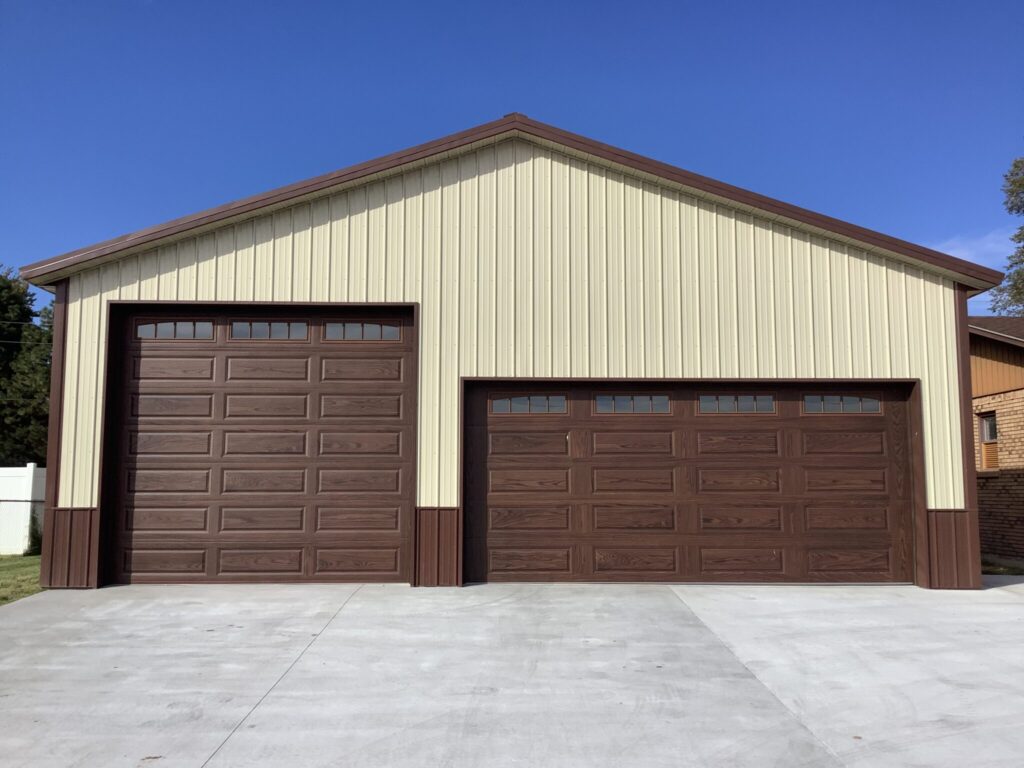
Hopkinton’s mix of older raised-ranch garages near the center and newer attached two-car garages out toward the Milford and Ashland lines means we see everything from a worn belt-drive unit on a 2000s colonial to a chain-drive opener straining against a door that’s never been balanced correctly. The fix depends on which one you’ve got, not on a generic reset.
Garage Door Opener Repair in Hopkinton
When a call comes in from Hopkinton, we’re usually dealing with one of a short list of problems: the opener runs but the door doesn’t move (worn drive gear, stripped belt, or a disconnected trolley), the door moves partway and reverses (safety sensor misalignment or the opener reading too much resistance because the door itself is out of balance), or the motor hums and does nothing (capacitor failure or a logic board that’s given out).
None of these get solved by replacing the opener head alone. If the door is heavy on one side because a torsion spring has weakened, or a cable has frayed off the drum, the new opener will fail the same way inside a year. We check the door’s mechanical condition before we touch the opener, because the opener is the symptom reporter, not usually the root cause. If a spring needs replacing, we’ll explain what’s involved and handle it ourselves. These are wound under several hundred pounds of tension and are not something to loosen or adjust without the right bars and training.
What we look at
What we look at
Every opener call starts with the same walk-through on the door before we go near the motor head.
Door balance and spring system
Door balance and spring system
We disconnect the opener and lift the door by hand. A properly balanced door stays put at roughly waist height. If it drops or shoots up, the torsion spring (or, on older Hopkinton garages, a pair of side-mounted extension springs) is no longer matched to the door’s weight. We also check the spring’s cycle rating against how old it is, since a 10,000-cycle spring on a door that runs multiple times a day has a shelf life.
Cable and drum condition
Cable and drum condition
The lift cables run from the bottom brackets up to the drums at each end of the torsion shaft. We look for fraying, rust pitting, and cable that’s walked off the drum groove, which throws the door crooked on one side and makes the opener fight an uneven load every cycle.
Track and roller alignment
Track and roller alignment
Bent track or worn rollers make the door bind partway through its travel. The opener reads that bind as an obstruction and either stalls or reverses, which gets blamed on the opener when the track is the actual problem. We check plumb on both vertical tracks and the radius bend where they curve toward horizontal.
Opener force, limits, and safety reversal
Opener force, limits, and safety reversal
We test the up and down travel limits, the force setting that tells the motor how hard to push before it stops, and the safety reversal: a 2×4 laid flat under the door should trigger an immediate reverse on contact. If it doesn’t, or the photo-eye sensors near the floor are out of alignment, the opener gets adjusted or the sensors get repositioned before we call the job done.
Homes in Hopkinton
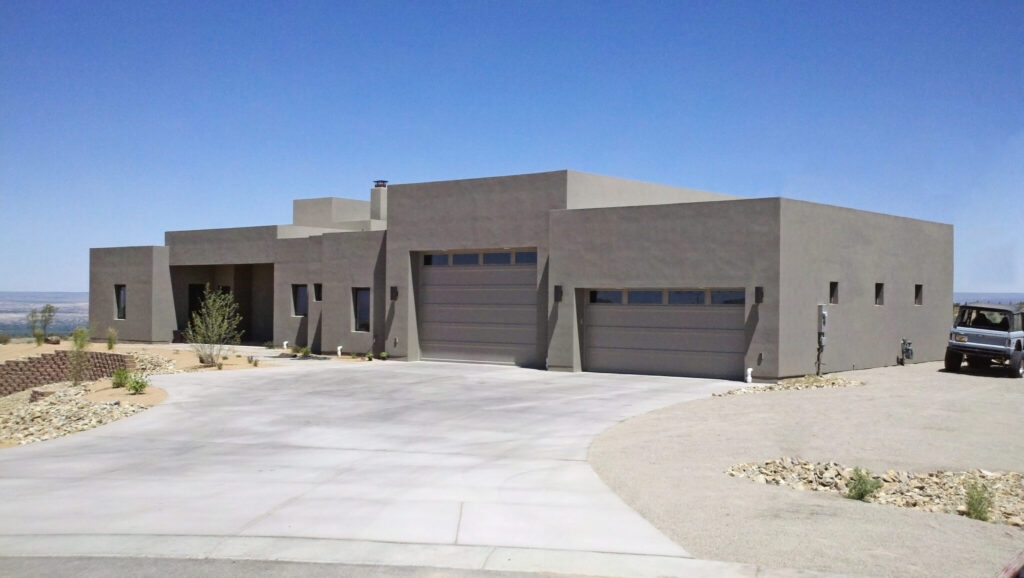
A good share of the garage work we see in Hopkinton is on single-family homes built from the 1980s through the 2000s, with attached two-car garages running standard 16-foot double doors or a pair of 8 or 9-foot singles. These mostly run steel sectional doors with torsion springs mounted above the opening, which is the setup most current openers are built for.
Closer to the town center and along some of the older roads, there are still detached garages and a handful of original wood carriage-style doors on houses from before the subdivisions went in. Wood doors weigh more than steel, which means the springs sizing them has to account for that, and an opener installed without adjusting for a heavier wood door will burn out faster than it should. If you’ve got one of these older setups, tell us when you call so we bring the right spring stock.
What it costs
Whatever the door, the repair plan comes from what we find on the diagnostic walk-through, not from a guess made over the phone.
What it costs
Opener repairs in Hopkinton typically run between {PRICE_LOW} and {PRICE_HIGH}. A sensor realignment or logic board reset sits at the low end. A full opener replacement, or a repair that turns up a worn spring or damaged cable that needs addressing at the same time, sits higher. We’ll give you a firm number once we’ve looked at the door and the opener together, not before.
Got Questions?
Common questions
Why does my opener run but the door doesn't move?
Usually a stripped belt or gear inside the opener, or the trolley has disconnected from the drive carriage. Sometimes it's intentional if someone pulled the emergency release cord. We check both before replacing anything.
My door reverses halfway down. Is that the opener or the door?
Often the door. If it's out of balance or the track is binding, the opener reads the extra resistance as an obstruction and reverses as a safety response. It can also be a misaligned photo-eye sensor near the floor. We test both.
Can I just replace the opener myself?
You can replace the motor head yourself if the door is otherwise sound. We'd still check balance and spring condition first, because an opener installed on an unbalanced door will fail again quickly.
Do you work on older wood garage doors in Hopkinton?
Yes. Wood doors are heavier than steel and need springs sized for that weight. We carry stock for both and will size the repair to the door you actually have.
Is it safe to keep using the door if the opener isn't reversing properly on contact?
No. A door that doesn't reverse on contact is a safety hazard, especially with kids or pets around. Disconnect the opener and operate the door manually until the reversal and sensors are checked.
How fast we can get there
Hopkinton is about 12.4 miles from our base in Bellingham, a straightforward run down Route 140 and Route 85. We don’t promise a fixed arrival window on this page, but we schedule Hopkinton calls the same way we schedule Bellingham ones, as part of the regular route through the area.
Get Your Opener Fixed Fast
Tell us what’s happening with your garage door opener and a Hopkinton technician will reach out to schedule your repair. Whether it’s a remote that’s stopped responding, a motor that hums but won’t lift, or a door that reverses unexpectedly, we’ll walk through the details with you before we arrive.
- Opener brand and model
- What you’re seeing or hearing
- Best time for a visit
Quick answers, straightforward scheduling.