
- Services
- Garage Doors
- Service Areas
Attleboro, MA
Bellingham, MA
Canton, MA
Framingham, MA
Franklin, MA
Franklin, MA
Mansfield, MA
Milford, MA
Natick, MA
North Attleboro, MA
Uxbridge, MA
Walpole, MA
Woonsocket, RI
Ashland, MA
Ashland, MA
Blackstone, MA
Cumberland, RI
Dover, MA
Foxborough, MA
Holliston, MA
Hopkinton, MA
Medfield, MA
Medway, MA
Mendon, MA
Westwood, MA
Sharon, MA
- About
- Contact
- Emergency Repair
Garage Door Opener Repair in Wrentham, MA
Your remote clicks and nothing happens, or the opener hums but the door does not move. In Wrentham that call usually comes in about an evening, after someone has already tried the remote four or five times from the driveway. Before you pull the cord and try to force it, it helps to know what actually failed, because an opener that quits is rarely the opener’s fault.
Most opener failures we see around Wrentham trace back to the door itself, not the motor. A spring losing tension, a cable slipping off a drum, or a track pulling out of alignment all put extra load on the opener’s drive gear and trip its safety systems long before the unit itself gives out. Treating the symptom without checking the door just means you call again in a few weeks.
Garage Door Opener Repair in Wrentham
When an opener won’t run the door, the first thing we rule out is the opener taking the blame for a mechanical problem. A torsion spring that has lost tension makes the door heavier than the opener is built to lift, so the motor strains, the drive gear can strip, and eventually the unit trips its own overload protection and refuses to run at all. An extension spring that has stretched or snapped does the same thing from the other side of the door.
If the springs check out, we look at the opener itself: the drive mechanism, whether chain, belt, or screw drive, the logic board, the limit switches that tell the opener where open and closed actually are, and the force settings that control how hard it pushes before it reverses. A door that reverses on its own, stops short of the floor, or runs past its limit and strains against the track is almost always a limit or force setting that has drifted, not a dead unit. We never replace a board or a motor until we have confirmed the door moves freely by hand with the opener disconnected.
What we look at
What we look at
An opener repair call in Wrentham starts with the door, not the motor. Here is what we go through before we touch the unit itself.
Door balance and spring system
We disconnect the opener and lift the door by hand. A properly balanced door stays put at waist height on its own. If it drops or shoots up, the torsion or extension springs are no longer matched to the door’s weight, and that mismatch is very often what killed the opener’s lifting capacity in the first place. We also check the spring type and cycle rating, since a low-cycle spring on a door that gets used several times a day wears out fast and takes the opener’s gear train with it.
Cable and drum condition
The lift cables run from the bottom bracket up to the cable drums at each end of the torsion shaft. A frayed cable or a drum with a cable riding off its groove throws the door off level, which makes the opener fight an uneven load every time it runs. We check both drums and the full length of each cable for fraying, kinks, or a drum that has walked out of position on the shaft.
Track and roller alignment
Tracks that have pulled away from the wall, or rollers that have worn down or jumped the track, create friction and binding the opener has to push through. Over time that binding is what burns out a chain drive sprocket or strips a gear. We check the track gap against the door panel, look for bent sections, and check roller wear, especially on older doors where the rollers have never been replaced.
Opener force, limits, and safety reversal
Once the door itself moves correctly, we set the opener’s travel limits so it stops fully open and fully closed without straining, and we check the force setting, which controls how much resistance the opener pushes against before it reverses. Then we run the safety reversal test required by federal safety standard: a two-by-four laid flat under the door should trigger an immediate reverse on contact, and the photo-eye sensors near the floor should stop the door if the beam is broken. An opener that fails either test does not get left running until it is fixed.
Homes in Wrentham
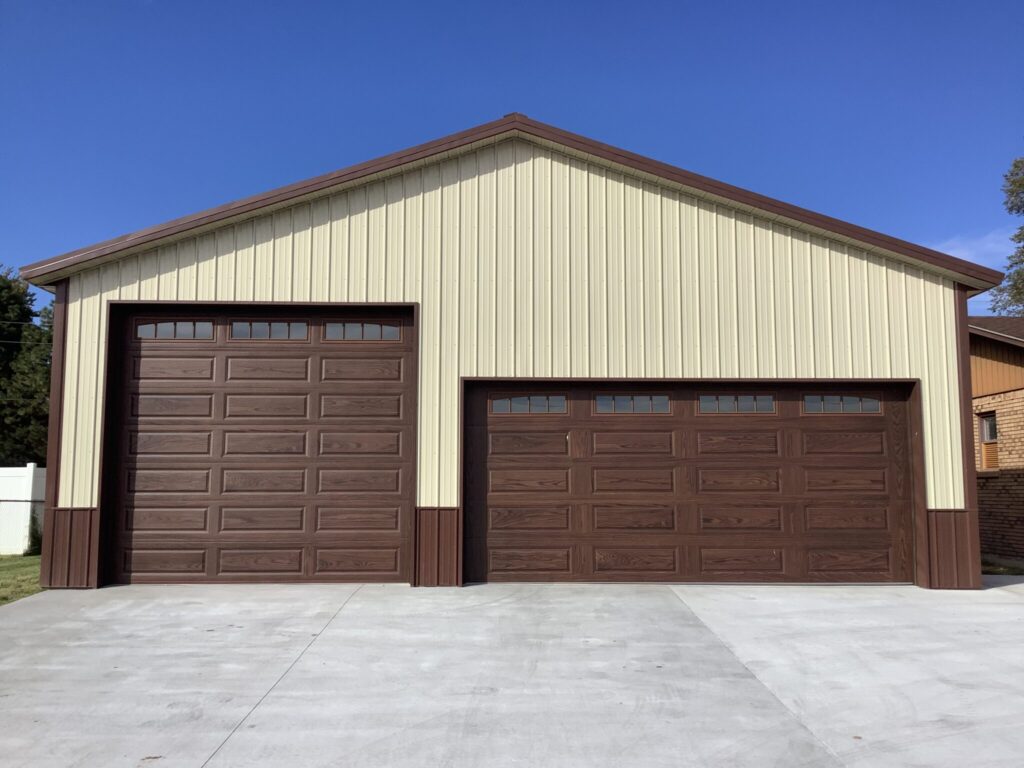
Wrentham has a mix of older farmhouse-era homes around the town center and newer construction further out toward Sheldonville and along the roads near King Philip, which puts a wide range of garage ages and styles on our service calls. Older detached garages and carriage-style outbuildings still run single wood or wood-composite doors in some cases, often on hardware that predates the current safety reversal requirement entirely, which matters a great deal when we are asked to add or repair an opener on one.
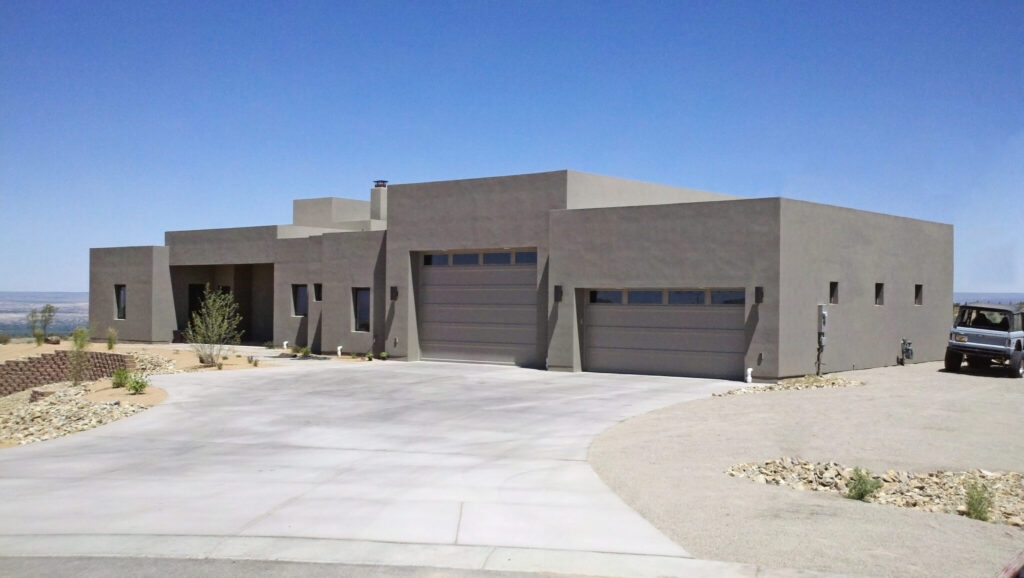
Newer homes, particularly the subdivisions built from the 1990s onward, are more likely to have attached two-car garages with a single wide door or two single doors side by side, almost always already fitted with a chain or belt-drive opener from the original builder. Those openers are reaching the age where logic boards and limit switches start to fail even when the door mechanics are sound, which is a different repair than what the older detached garages usually need.
What it costs
Whichever situation yours is, the diagnosis works the same way: check the door first, then the opener.
What it costs
Opener repair costs in Wrentham run from about {PRICE_LOW} to {PRICE_HIGH}, and the spread comes down to what actually failed. A limit or force adjustment, or a worn drive belt, sits at the low end. A failed logic board, a stripped gear, or a repair that turns out to need new springs as well because the old ones were overloading the opener pushes toward the higher end. We give you the number before any work starts, once we know what’s actually wrong.
Got Questions?
Common questions
My opener runs but the door doesn't move. What's wrong?
This usually means the drive mechanism, chain, belt, or screw, has disengaged or stripped, or the trolley carriage has come loose from the drive rail. Occasionally it means the springs have failed and the opener can't generate enough force to lift the door, so it just spins without moving anything.
The door reverses right before it closes. Is that the opener?
Usually not. That's typically the safety reversal system doing its job because something is misaligned, most often a photo-eye sensor near the floor that's dirty, knocked out of position, or blocked. It can also mean the close-force setting is too sensitive for a door that's slightly out of balance.
Can I just replace the opener myself?
You can, but if the underlying cause is a spring out of balance or a track issue, a new opener will fail the same way the old one did, often faster. We check the door mechanics first so you're not paying twice.
Is it safe to keep using the door if the opener fails the reversal test?
No. If a door doesn't reverse when something is under it, or the photo-eye doesn't stop it, that's a safety system failure, not a convenience issue. We won't leave an opener running in that state and recommend you use manual operation only until it's repaired.
Do you work on openers in the older detached garages around Wrentham, not just attached ones?
Yes. Detached garages and older wood doors need the same safety checks as newer attached ones, sometimes more, since the hardware is often original and wasn't built to current reversal standards.
How fast we can get there
Bellingham is about 2.4 miles from Wrentham, a short run down Route 140. That means we’re not routing a technician across the region to reach you. We don’t quote a fixed response window here, but being this close keeps it simple to fit an opener repair into the same day when our schedule allows.
Request a Free Quote
Call 508-794-7439 to set up an opener repair visit in Wrentham, or send us the details of what your door is doing and we’ll get back to you with next steps and a realistic estimate.
Schedule Garage Door Opener Service
If your opener has stopped responding, is reversing on its own, or is making noise it didn’t used to make, call us and describe what’s happening. That’s usually enough for us to have a rough idea of what we’re dealing with before the van is even in your driveway.