
- Services
- Garage Doors
- Service Areas
Attleboro, MA
Bellingham, MA
Canton, MA
Framingham, MA
Franklin, MA
Franklin, MA
Mansfield, MA
Milford, MA
Natick, MA
North Attleboro, MA
Uxbridge, MA
Walpole, MA
Woonsocket, RI
Ashland, MA
Ashland, MA
Blackstone, MA
Cumberland, RI
Dover, MA
Foxborough, MA
Holliston, MA
Hopkinton, MA
Medfield, MA
Medway, MA
Mendon, MA
Westwood, MA
Sharon, MA
- About
- Contact
- Emergency Repair
Garage Door Spring Repair in Sharon, MA
If you heard a loud bang from the garage this morning and now the door won’t budge, or it creeps up a few inches and stalls, a spring has let go. That bang is the sound a torsion spring makes when years of cycling finally snap the steel. The door isn’t broken. The part that holds its weight is.
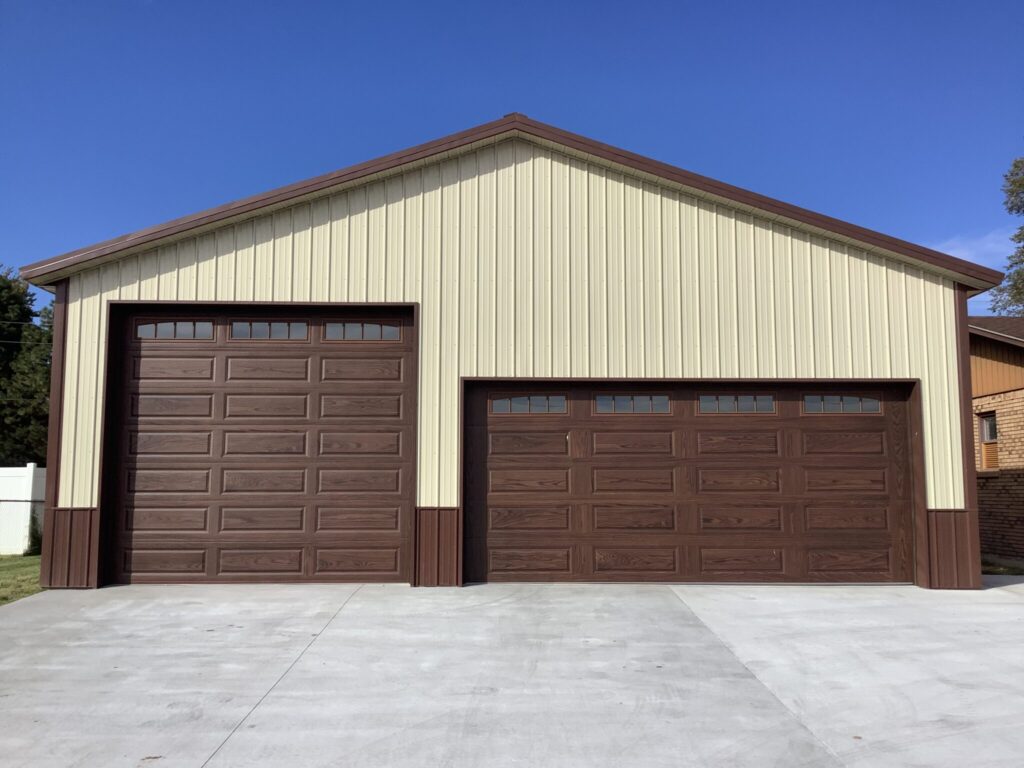
Sharon’s housing stock runs from older capes and colonials near the center and the commuter rail line to larger split-level and newer colonial-style homes out toward the Foxborough and Canton lines. That mix means we see a wide range of door weights and spring setups on any given week, from a single narrow door on an older attached garage to heavier insulated doubles on newer builds.
Garage Door Spring Repair in Sharon
Most residential garage doors use one of two spring systems. Torsion springs sit on a shaft above the door and wind up as the door closes, storing the energy that lifts it back open. Extension springs run along the horizontal tracks on either side and stretch to do the same job. Torsion setups are more common on doors built or replaced in the last couple of decades because they put less strain on the cables and tracks and generally last longer.
When a torsion spring breaks, the door loses almost all of its lifting assistance. You’ll notice the opener straining, the door feeling far heavier than normal, or it stopping partway and refusing to go further. On older extension-spring doors, a snapped spring often shows up as a loose, dangling coil above the track, sometimes still attached by a safety cable, sometimes not. Either way the fix is a full spring replacement sized to the door’s weight and cycle needs, not a patch job. We also check the cable drums, the shaft, and the center bracket while we’re in there, because a spring doesn’t fail in isolation forever without putting extra wear on everything around it.
This is not a repair to attempt yourself. A wound torsion spring holds enough stored energy to cause serious injury, and the tools and technique for winding and unwinding one safely aren’t something to improvise with a household wrench and a stepladder. We bring the correct winding bars, cones, and clamps, and we size the replacement spring to the door’s actual weight rather than guessing.
What we look at
What we look at
A spring replacement is also a chance to check the rest of the system, because a door that’s been struggling on a weak or broken spring often has other wear building up around it.
Door balance and movement
We disconnect the opener and move the door by hand to see where it holds position and where it drops. A properly balanced door stays put at any height on its own. If it falls or shoots up, the spring tension is wrong for the door’s weight, even after a spring swap, and we adjust it before calling the job done.
Spring type and cycle rating
We confirm whether the door needs torsion or extension springs, the correct wire size and wind, and a cycle rating that matches how often the door actually gets used. A door that opens and closes several times a day needs a higher-rated spring than one used occasionally, and installing the wrong rating just shortens the time until the next failure.
Cable and drum condition
The lift cables and drums work directly with the springs, and a broken spring puts sudden slack or sudden load on them. We check for fraying, rust, and drum wear, and replace cables alongside the springs when they show stress, since cable failure under load is its own safety problem.
Tracks, opener settings, and safety reversal
We check that the tracks are straight and properly aligned, then reset the opener’s force and limit settings once the new springs are in, since the old settings were calibrated for a door that was out of balance. Finally we run the safety reversal test, confirming the door reverses properly when it meets resistance, as it should every time it closes on something in its path.
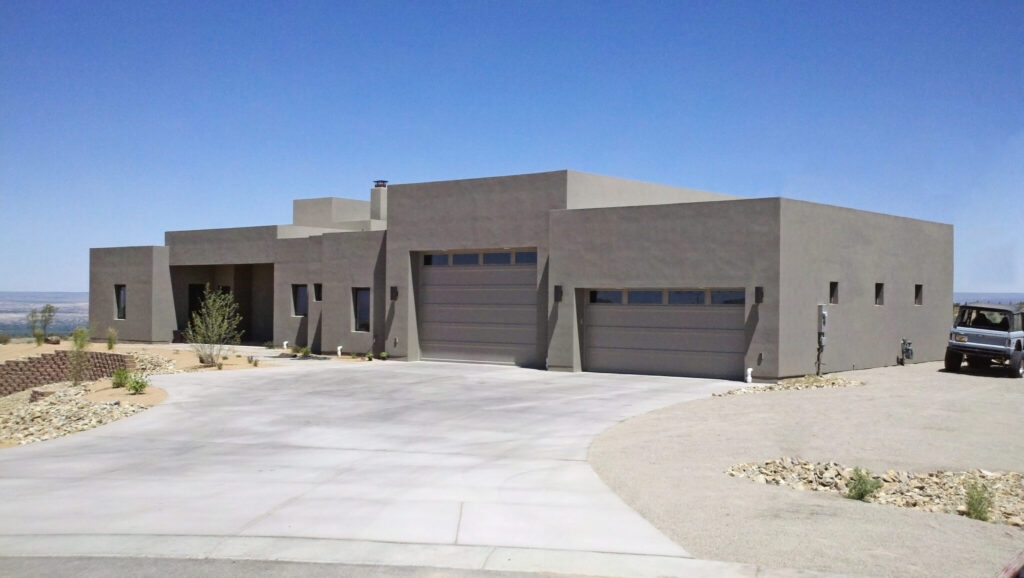
Homes in Sharon
A lot of the garages we work on in Sharon are attached single-car or two-car setups built into capes and colonials from the mid-20th century, many still carrying their original wood doors or an early steel replacement from decades back. Those doors tend to be lighter than modern insulated steel doors, which changes the spring sizing, and we see a fair number where a prior repair used a spring that was never quite matched to the door’s actual weight.
Closer to the newer developments near the Canton and Foxborough town lines, and on larger homes with three-car garages, the doors are heavier, often insulated steel or faux-wood composite, and run on torsion systems sized for that extra weight. Detached garages show up here too, particularly on older lots near the center of town, and those sometimes have simpler, lighter-duty hardware that needs different parts than an attached two-car setup.
What it costs
Whatever the door’s age or style, the right fix starts with sizing the spring to the door in front of us, not reaching for a generic replacement.
What it costs
Spring replacement in Sharon typically runs between {PRICE_LOW} and {PRICE_HIGH}. The main things that move the number are whether the door needs one spring or two, the spring’s wire size and cycle rating, whether cables or drums need replacing at the same time, and whether the door is a standard single or a heavier double. We’ll give you a firm number once we’ve seen the door and the spring it actually needs, not a guess over the phone.
Got Questions?
Common questions
Can I just replace one spring if only one broke?
You can, but most installers recommend replacing both torsion springs together on a two-spring system. The surviving spring is usually close behind the broken one in age and cycle count, and it tends to fail within a short time after. We'll tell you honestly where yours stands when we inspect it.
Why won't my opener lift the door at all?
The opener is built to assist a balanced door, not to lift its full weight. Once a spring breaks, the door's weight falls almost entirely on the opener's motor and gears, which it isn't designed for. Running it repeatedly in that state risks damaging the opener itself.
Is it safe to open the door by hand until someone can come out?
If a torsion spring has broken, leave the door where it is. Without spring tension the door can drop suddenly and it's heavier than it looks. Pulling the emergency release cord should only be done if you understand what you're disengaging, and even then the door may fall.
How long do garage door springs normally last in Sharon?
It comes down to cycle count rather than calendar years. A spring rated for a certain number of open-close cycles will wear out faster on a door used several times a day than on one used occasionally. Weather and how well the door is maintained also play a part.
Do you work on older wood garage doors as well as steel ones?
Yes. Sharon still has a number of original wood doors on older homes, and the spring systems on those need to be sized to the door's actual weight just like any steel door, sometimes with different hardware than a modern replacement.
How fast we can get there
Sharon is about 10.4 miles from our base in Bellingham, a straightforward run down Route 140 and local roads. We work Sharon alongside the surrounding towns on a regular basis, so getting a technician and the right spring stock out to you isn’t a special trip.
Request a Free Quote
Prefer to describe the problem in writing first? Send us the details through our quote form and we’ll follow up with a time and an honest estimate before any work starts. For reference on how spring cycle life is measured, see this [EXTERNAL LINK: DASMA technical data sheet on torsion spring cycle life, for readers who want the engineering background].
Schedule Garage Door Spring Service
If your door has stopped lifting properly, don’t force it with the opener and don’t try to work on the spring yourself. Call AB Garage Door at 508-794-7439 and tell us what you heard and what the door is doing. We’ll get a technician out with the right spring and hardware on the truck.