
- Services
- Garage Doors
- Service Areas
Attleboro, MA
Bellingham, MA
Canton, MA
Framingham, MA
Franklin, MA
Franklin, MA
Mansfield, MA
Milford, MA
Natick, MA
North Attleboro, MA
Uxbridge, MA
Walpole, MA
Woonsocket, RI
Ashland, MA
Ashland, MA
Blackstone, MA
Cumberland, RI
Dover, MA
Foxborough, MA
Holliston, MA
Hopkinton, MA
Medfield, MA
Medway, MA
Mendon, MA
Westwood, MA
Sharon, MA
- About
- Contact
- Emergency Repair
Garage Door Spring Repair in Westwood, MA
If you heard a bang from the garage before the door refused to move, or the door is sitting half open with the car trapped behind it, a spring has let go. That’s the single most common reason a garage door stops working, and it’s not something to push through with the opener – trying to force a door with a broken spring will burn out the motor or bend the track.
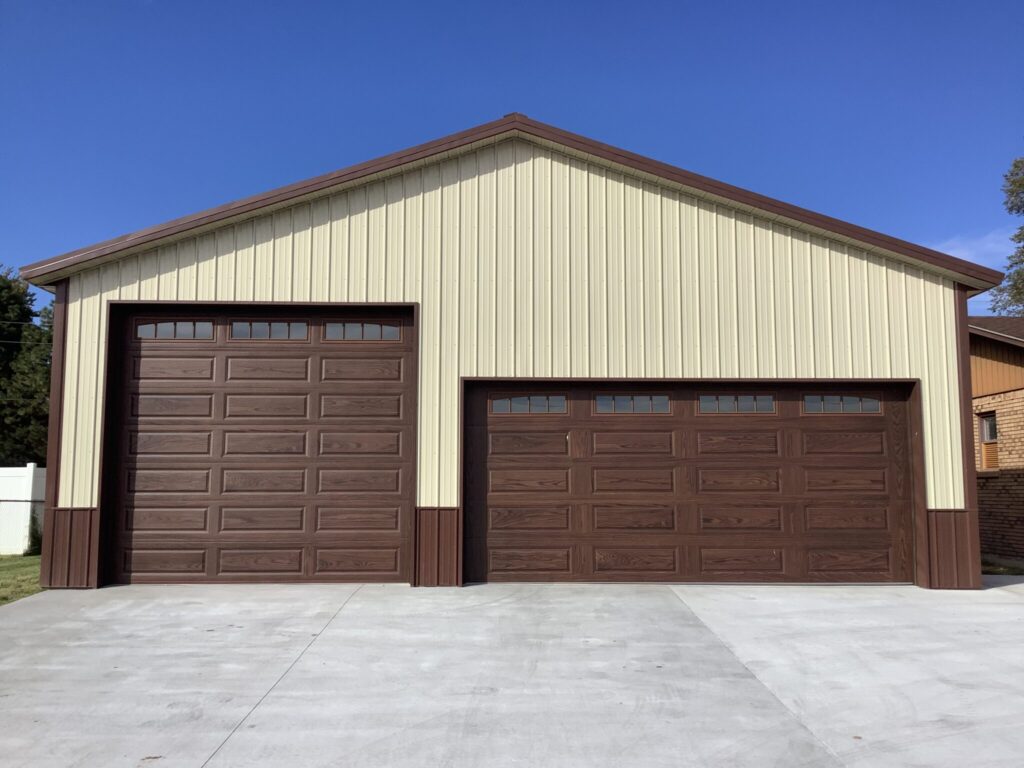
Westwood’s mix of older colonials near the center and newer builds out toward the Dedham and Dover lines means we see a wide range of door weights and spring setups on any given week. Whatever is on your house, the fix follows the same logic: find out what actually failed, replace it with the correct part, and check the whole system is back in balance before we leave.
Garage Door Spring Repair in Westwood
Most residential doors run on one or two torsion springs mounted on a shaft above the opening, or a pair of extension springs stretched along the horizontal tracks. Torsion springs wind and unwind to lift the door through a cable drum system at each end of the shaft. Extension springs stretch and contract instead, with safety cables run through them to stop them flying across the garage if one breaks.
When a torsion spring breaks, you’ll usually hear it – a loud crack, often mistaken for a gunshot or something falling. The door will feel immensely heavy or won’t lift at all, because the spring was doing most of the work of counterbalancing the door’s weight. An extension spring failure is quieter but has the same effect: the door drops unevenly or refuses to open past a few inches.
Repair means replacing the broken spring with one rated correctly for your door’s weight and cycle life, not just matching the one that failed. If one spring has gone and the other is the same age, we’ll talk through replacing both, since the second is usually close behind on a two-spring system. We also replace the cables at the same time if they’re worn, since a snapped cable under a loaded spring is its own hazard.
This is not a repair to attempt yourself. A wound torsion spring holds enough stored energy to break fingers, hands, or worse, and the tools and technique needed to wind or unwind one safely take training most homeowners don’t have and shouldn’t need. If your spring has broken, the safest thing you can do is leave the door alone and call someone qualified.
What we look at
Door balance and movement
Before touching the spring, we disconnect the opener and move the door by hand to see how it behaves. A properly balanced door will sit still at any point when lifted halfway and move with even, moderate effort. A door that slams down, drifts up on its own, or feels lopsided tells us something beyond the obvious broken spring – often a second spring near failure, or a track out of alignment.
Spring type and cycle rating
We identify whether you’ve got torsion or extension springs and measure the wire gauge, coil diameter, and length to match a replacement rated for the door’s actual weight. Springs are rated in cycles, roughly one open-and-close count, and a correctly sized spring on an average household door should last a reasonable number of years of normal use. Undersized springs, often fitted to save a few dollars on the original install, fail well ahead of schedule.
Cable and drum condition
The lift cables run from the bottom bracket up to drums on the spring shaft, and they take a lot of wear over the life of a door. We check for fraying, rust, and improper winding on the drums, since a cable that jumps its drum under load is a common cause of a door that suddenly drops on one side.
Tracks, opener settings, and safety reversal
We check the vertical and horizontal tracks for bends or loose brackets, confirm the opener’s force and limit settings are correct for the door’s new balance, and run the safety reversal test – the door should stop and reverse the moment it meets resistance, such as a 2×4 laid flat on the ground under it. An opener fighting an out-of-balance door will eventually fail itself, so this step protects more than just the spring repair.
Homes in Westwood
Westwood’s older stock, especially around the historic district near University Avenue and the town center, still has a fair number of original wood-panel doors on detached garages, sometimes single-car and built to dimensions that predate today’s standard sizes. These doors often carry older extension spring setups that have never been upgraded, and parts availability is more limited than on a modern steel door.
Further out, in the newer construction around the Islington side and the developments off Clapboardtree Street, attached two-car garages with standard 16-foot steel or insulated doors are the norm, usually running a single heavy torsion spring or a matched pair depending on door weight. Door sizes and spring setups vary enough across town that we always confirm what’s actually installed before quoting a part.
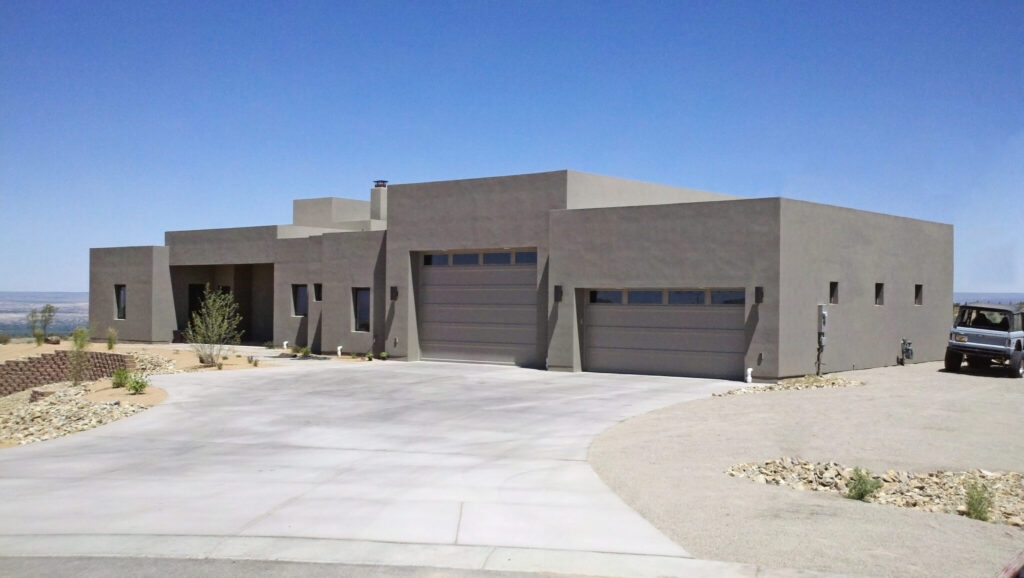
Whichever type of door you have, the goal is the same: get it operating safely again without just patching around the problem that caused the spring to fail in the first place.
What it costs
Spring repair costs fall between {PRICE_LOW} and {PRICE_HIGH} depending on whether one or both springs need replacing, the spring type and size required, and whether cables, drums, or rollers also need attention while the door is apart. A single torsion spring replacement on a standard door sits toward the lower end; two springs plus worn cables on a heavier insulated door pushes it higher. We quote the job after we’ve actually looked at the door, not off a phone description.
How fast we can get there
Westwood is about 11.7 miles from our base in Bellingham, a straightforward run down Route 109 or via I-95. We don’t promise a fixed arrival window on this page, but a broken spring is the kind of call we prioritize because a trapped car or a door that won’t close is a real inconvenience, and sometimes a security issue.
Got Questions?
Common questions
Can I open the garage door myself if the spring is broken?
You can usually lift a door with a broken spring manually, briefly, but it will be very heavy and awkward, and the opener should not be used to try. Don't attempt to adjust, wind, or replace the spring yourself. Leave that to someone trained for it.
Why did my spring break in the first place?
Springs are rated for a certain number of open-close cycles and wear out over time, faster if the door is used often or the spring was undersized for the door's weight when it was installed. Rust, extreme temperature swings, and a door that was already out of balance can also shorten spring life.
Should I replace one spring or both?
If you have a two-spring torsion system and one has broken, the other is usually close behind in age and wear. We'll check its condition and give you an honest recommendation rather than automatically selling a pair.
How long does a spring replacement take?
Most single or double spring replacements are completed in one visit, including the balance check and safety reversal test, though exact time depends on what else the inspection turns up, like worn cables or drums.
Is this covered by my homeowner's insurance?
Spring repairs are generally considered routine maintenance, not damage, so they're typically not covered. Check with your insurer if the spring failure caused damage elsewhere, such as a dented panel.
Request a Free Quote
Call 508-794-7439 to book a spring repair visit in Westwood, or send us the details of what happened and we’ll follow up with a quote range before we come out. AB Garage Door is licensed and insured in MA and NH and serves Westwood alongside the rest of the towns south and west of Boston.
Schedule Garage Door Spring Service
If your spring has broken, don’t try to force the door open or closed. Leave it where it sits, keep the opener disconnected if you can reach the release cord safely, and call us. We’ll ask a few questions about what you heard and how the door is sitting now so we arrive with the right parts on the truck.