
- Services
- Garage Doors
- Service Areas
Attleboro, MA
Bellingham, MA
Canton, MA
Framingham, MA
Franklin, MA
Franklin, MA
Mansfield, MA
Milford, MA
Natick, MA
North Attleboro, MA
Uxbridge, MA
Walpole, MA
Woonsocket, RI
Ashland, MA
Ashland, MA
Blackstone, MA
Cumberland, RI
- About
- Contact
- Services
- Garage Doors
- Service Areas
Attleboro, MA
Bellingham, MA
Canton, MA
Framingham, MA
Franklin, MA
Franklin, MA
Mansfield, MA
Milford, MA
Natick, MA
North Attleboro, MA
Uxbridge, MA
Walpole, MA
Woonsocket, RI
Ashland, MA
Ashland, MA
Blackstone, MA
Cumberland, RI
- About
- Contact
Need a quick offer? Call us now
(617) 655-6581
- Open 24/7
- Emergency Repair
Garage Door Cable Repair in Canton, MA
A loud bang near the ceiling of the garage, then a door that drops crooked or won’t move at all, usually means a lifting cable has let go. On many Canton streets, where split-level and colonial homes from the 1960s and 70s carry double-wide garage doors, that cable is doing more work than it would on a single narrow door, and it shows wear sooner.
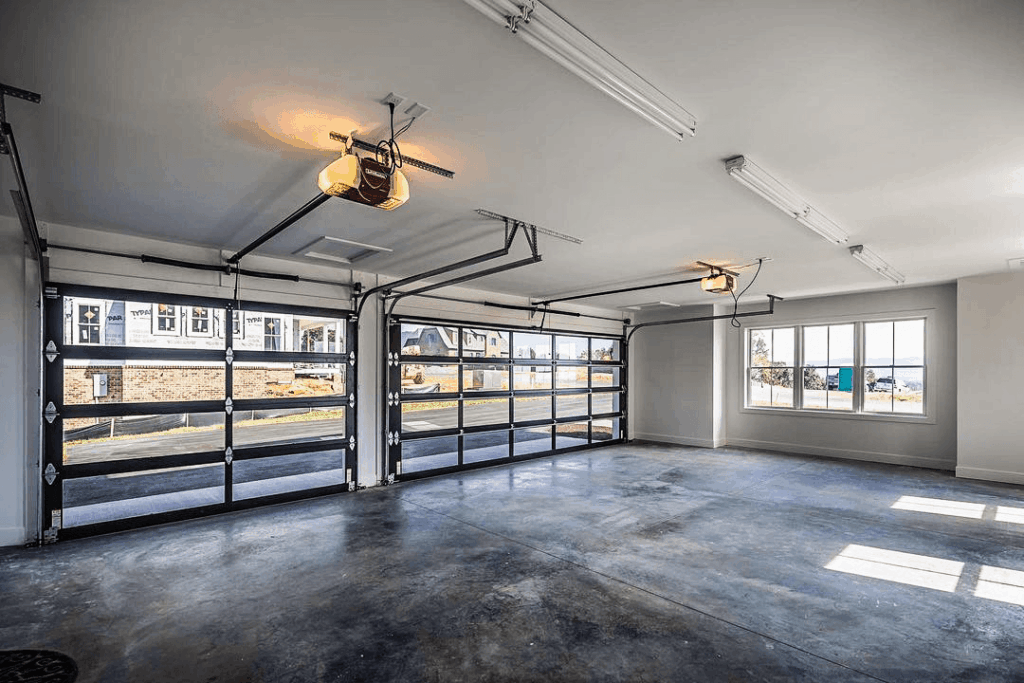
If your door is sitting unevenly, hanging by one side, or the opener strains and reverses before it closes, stop running it. A frayed or detached cable under a loaded torsion spring can whip when it fails completely, and it will damage the track or the opener carriage if you keep forcing the door.
Garage Door Cable Repair in Canton
The lifting cables run from the bottom corner brackets of the door up to the cable drums mounted on the torsion spring shaft, or in older extension-spring setups, back along a pulley to the spring itself. Either way, the cable is carrying the weight of the door in coordination with the spring. When a cable frays at the drum, slips off its groove, or snaps outright, that side of the door drops and the other side stays up, which is why you see a door hanging at an angle rather than lying flat on the floor.
Repair means removing tension from the spring system first, then replacing the cable with the correct gauge and length for your drum size and door weight, reseating it properly in the drum groove, and rebalancing the door so both sides lift evenly. On a double-wide door with two torsion springs, we check both cables even if only one has failed, because the one that snapped under load is rarely the only one close to the end of its life. We do not hand this job to a customer to finish. The spring stays under full tension through the whole process, and that tension is what makes this dangerous to improvise.
What we look at
What we look at
A broken cable is a symptom. Before we quote a repair, we look at the system around it so you are not paying for the same failure twice.
Door balance and movement
We disconnect the opener and manually check where the door sits when it’s lifted halfway. A balanced door stays roughly in place. If it drifts up or crashes down, the springs are already mismatched to the door weight, and that mismatch is often what overloaded the cable in the first place.
Spring type and cycle rating
We confirm whether you have torsion springs on a shaft above the door or extension springs running along the horizontal tracks, and check the wire gauge and cycle rating against the door’s actual weight. A spring rated for fewer cycles than your daily use wears the drum and cable faster than it should.
Cable and drum condition
Both cables get inspected for fraying, rust, and stretch, not just the one that broke. The drums get checked for a worn or chipped groove, since a damaged groove will cut into a brand-new cable within months.
Track alignment, opener settings, and safety reversal
A door pulling to one side often means the tracks have shifted, which puts uneven strain on the cables. We also check the opener’s force and limit settings, and run the safety reversal test, since an opener forcing a door that should have stopped is a common reason cables and rollers wear out early.
Homes in Canton
Canton’s housing mix gives us a reasonably predictable range of door setups to expect on any given call, which helps when it comes to carrying the right parts on the first visit rather than ordering and returning.
Homes in Canton
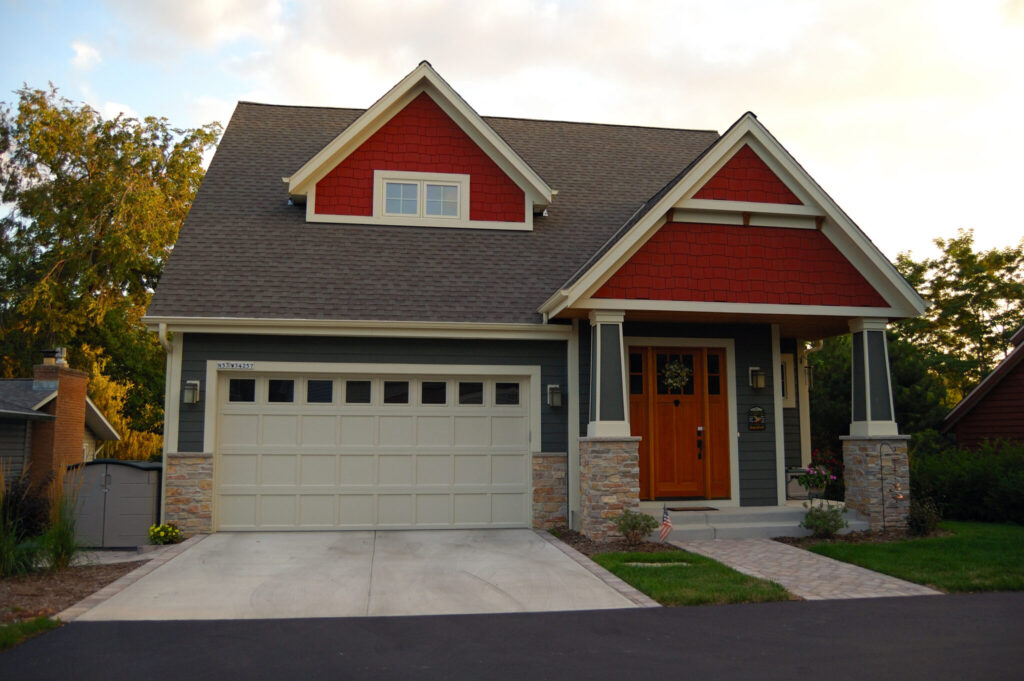
Canton has a good number of mid-century split-levels and colonials around Pequitside and the area near Canton Center, many with attached two-car garages and double-wide steel doors in the 16-foot range. Those doors run on two torsion springs and two cable-drum sets, and when one cable goes, the other is usually not far behind given they were installed and have aged together.
There are also older sections of town, closer to the town center and along some of the side streets off Washington Street, with detached single-car garages and narrower doors still running the original extension-spring hardware from decades back. Those setups use a simpler single cable and pulley arrangement, but the parts are older and harder to source off the shelf, so a cable failure there sometimes means matching an unusual drum or pulley rather than grabbing a standard part.
What it costs
Cost depends on what we find once the spring tension is off the door, which is why we don’t quote a fixed number before looking.
What it costs
A straightforward single-cable replacement on a door that’s otherwise in good shape runs toward the {PRICE_LOW} end. Replacing both cables, dealing with a damaged or chipped drum, correcting track alignment, or rebalancing springs that were already undersized pushes the job toward {PRICE_HIGH}. Double-wide doors with two spring and cable sets cost more than single doors simply because there’s twice the hardware to check and replace. We give you the number before we start, once we’ve seen the door in person.
How fast we can get there
Canton sits about 12.8 miles from our base in Bellingham, which keeps it within a reasonable run for a technician carrying standard cable, drum, and spring stock.
Got Questions?
Common questions
Can I just replace the cable myself without touching the spring?
No. On a torsion system the cable sits under load from the spring the entire time, even when the door looks still. Releasing and resetting that tension safely requires the right winding bars and a clear understanding of how many turns are on the spring. This is one of the more common ways people get seriously hurt attempting their own garage door repair.
Why did only one cable snap when the door has two?
Usually both cables are the same age and under similar load, so one breaking is often an early warning for the other. We check both sides every time, and if the second cable is close to failing we'll tell you rather than wait for a second breakdown call.
My door opener still runs the motor but the door won't lift. Is this a cable problem?
It can be. If a cable has slipped off the drum or snapped, the opener may still run but the door won't lift evenly, or the opener will strain and reverse. It can also point to a broken spring or a disconnected trolley, so it's worth describing exactly what you're seeing when you call.
Is it normal for older Canton homes to still have extension springs instead of torsion?
Yes, particularly on detached single-car garages built decades ago that haven't had the door hardware upgraded. Extension spring systems are not inherently unsafe when properly maintained, but the cable and pulley setup is different from torsion systems and parts sometimes need to be sourced rather than grabbed off a standard shelf.
How long does a cable repair take once you're on site?
A single cable replacement on a door that's otherwise sound is usually a same-visit job. If we find a damaged drum, misaligned track, or springs that need rebalancing alongside the cable, the visit takes longer because we're correcting more than one issue at once.
How fast we can get there
We don’t publish a guaranteed arrival window because it depends on where our trucks already are that day, but Canton is close enough to Bellingham that it doesn’t add significant travel time to a scheduled visit. Call and tell us what the door is doing and we’ll give you a realistic estimate of when we can get someone out.
Call AB Garage Door
If a cable has snapped or your door is hanging unevenly, don’t keep opening and closing it. Call {PHONE} and describe what you’re seeing. We’ll talk through it, give you a realistic cost range, and get a technician out to Canton to fix it properly.
Request a Free Quote
Prefer not to call right now? Send us the details of what your door is doing and a few photos if you can get them safely, and we’ll follow up with a quote and a time that works for your schedule.