
- Services
- Garage Doors
- Service Areas
Attleboro, MA
Bellingham, MA
Canton, MA
Framingham, MA
Franklin, MA
Franklin, MA
Mansfield, MA
Milford, MA
Natick, MA
North Attleboro, MA
Uxbridge, MA
Walpole, MA
Woonsocket, RI
Ashland, MA
Ashland, MA
Blackstone, MA
Cumberland, RI
Dover, MA
Foxborough, MA
Holliston, MA
Hopkinton, MA
Medfield, MA
Medway, MA
Mendon, MA
Westwood, MA
Sharon, MA
- About
- Contact
- Emergency Repair
Garage Door Installation in Sharon, MA
A door that’s been painted over at the panel joints, or one that drags on a track bent from a winter of ice buildup, usually isn’t worth patching again. Around Sharon, where plenty of garages still carry the door that came with the house thirty or more years ago, the point where repair stops making sense and replacement starts tends to arrive quietly – one more cracked panel, one more spring that’s already been rewound once.
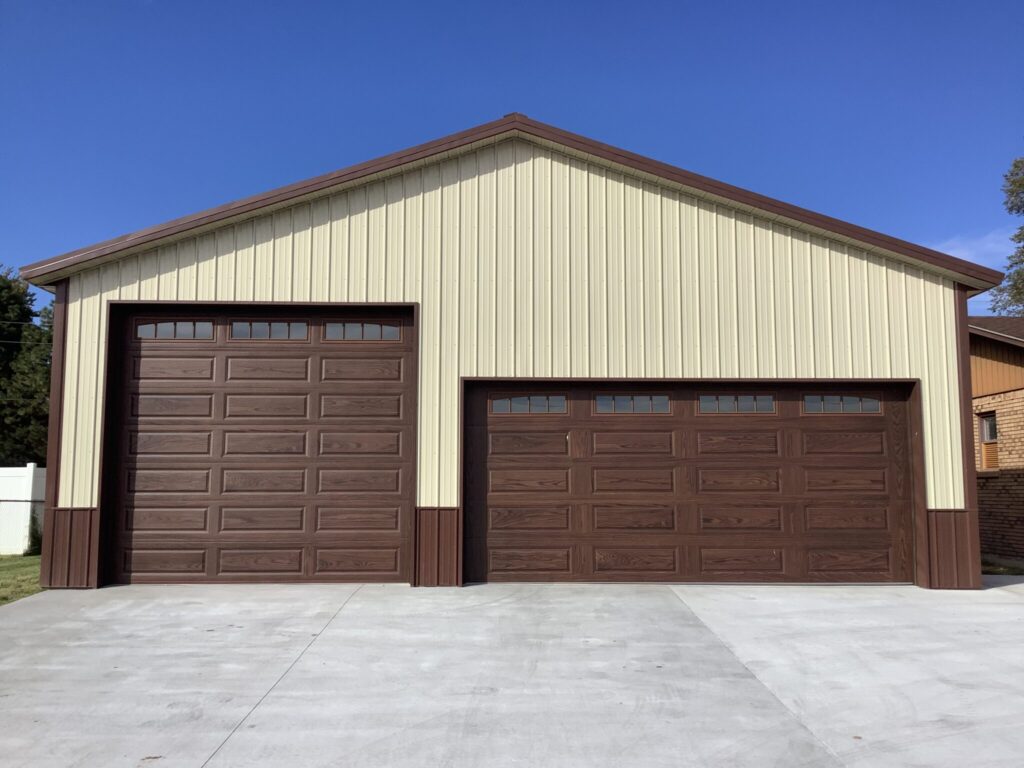
This page covers what a proper installation involves, what we check before we quote one, and what actually drives the price up or down for a home in Sharon. No fixed number, no guesswork – just the mechanics of the job.
Garage Door Installation in Sharon
Installing a garage door is not just bolting a new skin onto the old track. The track, the springs, the cable drums, and the opener all have to be matched to the weight and size of the new door, or the whole system fights itself from day one. A door that’s too heavy for its torsion spring will stall an opener’s motor. One that’s out of balance will wear through cables years before it should.
Most jobs we do in Sharon fall into one of two camps: a full replacement where the old door, track, and sometimes the springs all come out together, or a partial upgrade where a sound opener and track get paired with a new insulated door. Either way, we set new jamb brackets, square the track to the opening, hang the torsion spring sized to the door’s actual weight, and run the opener through its force and limit settings before we call it done. A door that closes but doesn’t reverse properly on contact isn’t finished – it’s a liability.
What we look at
What we look at
Before we recommend a door, we check the opening itself and the structure around it. Every one of these affects what door will actually fit and function correctly.
Door opening and available space
We measure the rough opening, headroom above it, and backroom behind it. Older Sharon garages, especially anything built before the 1990s, sometimes have less headroom than current track hardware assumes, which changes whether a standard-lift or low-headroom track kit is needed.
Door balance, spring type, and cycle rating
We check whether the existing setup uses torsion springs (mounted on a shaft above the door) or extension springs (stretched along the horizontal track), and what cycle rating fits the household’s actual use. A door opened multiple times a day needs a spring rated for more cycles than one that moves twice a week. An out-of-balance door – one that won’t hold still halfway up when disconnected from the opener – tells us the spring is wrong or failing, and that’s never a DIY fix. Torsion springs hold enough stored tension to cause serious injury if handled without the right bars and clamps.
Cables, drums, and rollers
Cable fraying near the drum, a drum that’s slipped on its shaft, or rollers that have worn flat all point to a system under more stress than it was built for. On a new installation we replace all of it rather than reuse worn cable on a new door – mismatched wear is how doors come off track later.
Track alignment, opener settings, and safety reversal
Track that’s bowed, twisted, or mounted slightly off-square will bind a door even if everything else is correct. Once the new door is hung, we set the opener’s travel limits and force setting, then run the safety reversal test – the door has to stop and reverse on contact with a two-inch object on the floor, every time. This is one of the required tests under UL 325, and we don’t consider an installation complete until it passes. [EXTERNAL LINK: UL 325 safety reversal standard reference, for homeowners who want the technical detail]
Homes in Sharon
None of this is guesswork done by eye. It’s measured, tested, and recorded before we sign off on the job.
Homes in Sharon
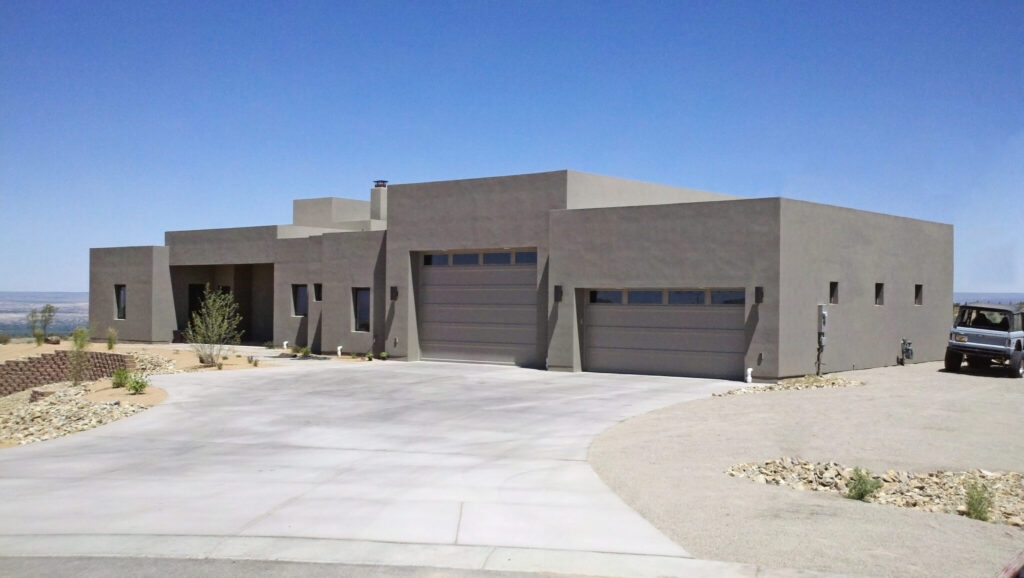
Sharon has a mix of housing stock that spans several eras, from older colonials near the center and around Lake Massapoag to the larger homes built on former farmland and wooded lots from the 1970s onward. The older homes more often have single attached garages or detached garages set back from the house, sometimes still running a wood panel door that’s been repainted more than once and is getting heavy for its hardware. Newer construction, particularly the larger homes on bigger lots toward the Walpole and Foxborough lines, tends to have two-car attached garages with double doors, sized for 16-foot openings rather than two separate single doors.
That split matters for installation. A single wood door replacement is usually a straightforward swap to an insulated steel or composite door on the same track footprint. A 16-foot double door on an older garage sometimes needs reinforced header framing to carry the wider spring and track assembly, especially if the original door was lighter than a modern insulated one. We check header strength as part of the quote on any wide double-door job.
What it costs
Installation pricing in Sharon runs roughly {PRICE_LOW} to {PRICE_HIGH}, and the spread comes down to a few things: single versus double door, steel versus wood or composite material, insulation level, whether the track and springs need replacing alongside the door, and whether the opener is being reused or swapped for a new unit. A straightforward single-door steel replacement sits at the lower end. A double door with higher insulation, new track, and a new opener sits at the upper end. We give a firm number after seeing the opening and the current hardware, not before.
We’d rather walk you through why a quote lands where it does than hand you a number with no explanation behind it.
How fast we can get there
Sharon is about 10.4 miles from our base in Bellingham, which puts it well within our regular service area. We schedule installation appointments rather than treat them as emergencies, since a planned install needs time on site to measure, remove the old door properly, and test the new system before we leave. Call ahead and we’ll find a slot that works for your week.
Got Questions?
Common questions
How long does a garage door installation take in Sharon?
A single-door replacement with no structural changes usually takes a few hours. A double door needing new track, header reinforcement, or a new opener takes longer. We'll give you a realistic time estimate once we've seen the opening.
Can I keep my existing opener with a new door?
Often yes, if the opener is in good condition and rated for the new door's weight. We check the opener's force and limit settings and reset them for the new door regardless, since a heavier or lighter panel changes how hard the motor has to work.
My wood garage door is original to the house. Is it worth repairing instead of replacing?
It depends on the frame and hardware. If the wood itself is sound but the springs or track have failed, a repair can make sense. If the panels are warped, delaminating, or the door has gotten noticeably heavier over the years, replacement with an insulated door usually costs less over time than repeated wood repairs.
Do you install doors on detached garages too?
Yes. Detached garages in Sharon often have older, lighter-duty track and smaller openers sized for a lighter door. We check that the structure can support the new door's weight before quoting, since some detached garages need header or jamb reinforcement.
What happens to my old door and hardware?
We remove and haul away the old door, track, springs, and cable as part of the installation. You don't need to arrange separate disposal.
Request a Free Quote
Call AB Garage Door at 508-794-7439 for a garage door installation quote in Sharon. We’re licensed and insured in Massachusetts and New Hampshire, and we’ll give you a clear number based on your actual door, not a guess over the phone.
Schedule Garage Door Installation
If your door is on its way out – heavy to lift, visibly out of balance, or just old enough that parts are getting hard to source – it’s worth getting a look before it fails on you. We’ll assess the opening, the track, and the opener, and tell you straight whether a new door or a repair makes more sense.