
- Services
- Garage Doors
- Service Areas
Attleboro, MA
Bellingham, MA
Canton, MA
Framingham, MA
Franklin, MA
Franklin, MA
Mansfield, MA
Milford, MA
Natick, MA
North Attleboro, MA
Uxbridge, MA
Walpole, MA
Woonsocket, RI
Ashland, MA
Ashland, MA
Blackstone, MA
Cumberland, RI
Dover, MA
Foxborough, MA
Holliston, MA
Hopkinton, MA
Medfield, MA
Medway, MA
Mendon, MA
Westwood, MA
Sharon, MA
- About
- Contact
- Emergency Repair
Garage Door Opener Repair in Foxborough, MA
Your opener lights blink but the door won’t move, or it reverses halfway down every time you try to close it. Maybe it just quit mid-cycle with the car half in the driveway. Whatever brought you here, it’s a mechanical or electrical fault that has a specific cause, and that cause is usually findable in fifteen minutes with the door open.
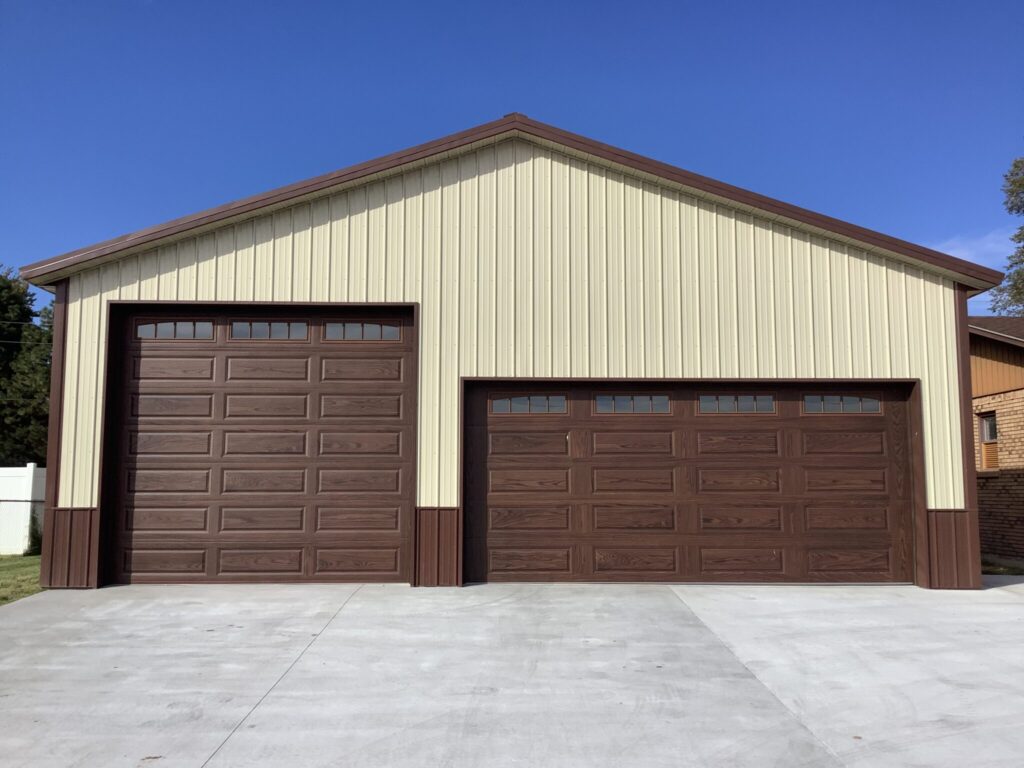
We cover Foxborough out of our Bellingham shop, a short run up Route 140, and we work on chain, belt, and screw-drive openers from every major brand still being serviced in this area, plus a fair number that have been discontinued but keep running anyway.
Garage Door Opener Repair in Foxborough
Most opener calls are not actually opener problems. The motor and logic board take the blame because they’re the part you see blinking, but the door is a spring-and-cable system that the opener only assists. If the torsion spring has weakened or a cable has frayed off the drum, the opener has to fight the full weight of the door on every cycle. That strains the gear, burns out the drive, and eventually trips the safety circuit or strips the plastic gear inside the unit.
Where it is a genuine opener fault, we see the drive gear worn down to nothing on older chain units, circuit boards that have taken a lightning strike or power surge, logic boards that have lost their programmed travel limits, and safety sensors knocked out of alignment by a bike, a shovel, or a swinging extension cord. Wall controls fail too, usually from moisture getting into the wiring where it runs along the garage wall to the opener head.
We diagnose the whole system before touching the opener itself. If the door is heavy, out of balance, or running on a tired torsion spring, we’ll tell you plainly. A spring under tension is not something to work on yourself. We handle that separately, correctly, with the right bar and the right cycle-rated replacement part.
What we look at
What we look at
A full opener diagnostic covers the whole door, not just the motor head.
Door balance and spring system
We disconnect the opener and lift the door by hand. A properly balanced door stays put at waist height on its own. If it drops or shoots up, the torsion or extension springs are no longer matched to the door’s weight, and that mismatch is very often what’s actually killing your opener’s drive train.
Cable and drum condition
The lift cables run off drums mounted on the torsion shaft. We check for fraying, for a cable sitting off-track on the drum, and for drum grooves that have worn enough to let the cable slip. A cable that jumps its groove under load is a common cause of a door that slams or drops suddenly.
Track and roller alignment
Bent track or worn rollers make the door bind partway through its travel. The opener reads that extra resistance as an obstruction and reverses, which looks exactly like a sensor fault but has nothing to do with the electronics. We check plumb on both tracks and roller wear at the same time.
Opener force, limits, and safety reversal
Every opener has adjustable force and travel limit settings, and a federally required safety reversal test: the door has to stop and reverse when it meets resistance a couple of inches off the floor. We set the limits to match the door’s actual travel and run the reversal test before we leave, every time, regardless of what the original complaint was.
Homes in Foxborough
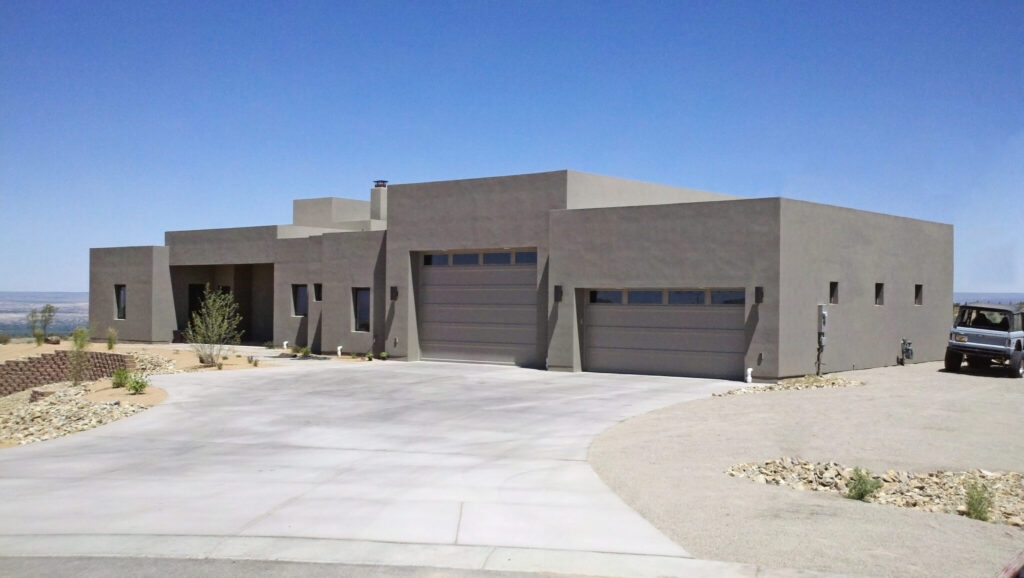
Foxborough’s housing runs from older center-hall colonials near the town common, many built with single-car garages or none at all, through to the larger subdivisions built from the 1980s onward off routes like Mechanic Street and South Street, where two-car attached garages with double-wide steel doors are standard. We still get calls on original wood-panel doors from houses built before overhead doors were standard equipment, and those often carry openers that are older than the current owner’s time in the house.
Newer construction around town tends toward insulated steel doors with heavier sections, which means a heavier load on the opener and a spring system that needs to be rated correctly from the start. When we’re called to a door that’s been struggling for months before it finally failed, it’s often one of these newer, heavier doors paired with an opener or spring setup sized for a lighter door.
What it costs
Detached garages are also common on the older lots near the center of town, which sometimes means longer wire runs to the opener and more exposure to temperature swings that affect sensor alignment and wiring over time.
What it costs
A straightforward repair, like replacing a safety sensor, reprogramming limits, or swapping a worn drive gear, runs toward the lower end, around {PRICE_LOW}. Jobs that involve spring replacement, cable work, or a full opener swap run higher, up to {PRICE_HIGH}, depending on the opener’s horsepower and drive type, whether the springs need replacing at the same time, and whether we’re matching an existing setup or upgrading it. We’ll give you the number before we start, not after.
Got Questions?
Common questions
Why does my opener reverse every time before the door even touches the floor?
That's usually the safety reversal or the down-limit setting reacting to resistance in the track or an out-of-balance door, not a fault in the sensors themselves. We check the whole travel path before adjusting anything electronic.
My opener runs but the door doesn't move at all. What's wrong?
Often the drive gear or belt has worn through, or the trolley has disengaged from the carriage. On chain and belt units the drive mechanism wears out well before the motor does, especially on heavier insulated doors.
Can you match a new opener to my existing keypad and remotes?
In most cases yes, though some older remote frequencies aren't compatible with current openers. We'll check your existing hardware on site and tell you honestly if it needs replacing too.
Is it the opener or the springs causing my door to struggle?
If the door feels heavy when lifted by hand with the opener disconnected, it's the springs, not the opener. A struggling opener is very often a symptom of a spring problem rather than the actual fault.
Do you work on openers in detached garages?
Yes. Detached garages around Foxborough sometimes have longer wiring runs or older wall control wiring, which we check as part of the diagnostic since it's a common cause of intermittent faults.
How fast we can get there
Foxborough is about 6.7 miles from our Bellingham shop, a straightforward run down Route 140. That’s close enough that we’re not planning a half-day trip around it. We don’t promise a same-day arrival window on every call, because that depends on what’s already booked that day, but it’s a short trip for us and we’ll give you a straight answer on timing when you call.
Request a Free Quote
Tell us the symptom, the opener brand if you know it, and roughly how old the door is, and we’ll get you a quote and a time that works. For reference on cycle ratings and opener horsepower when you’re comparing options, see the [EXTERNAL LINK: DASMA technical data sheet on garage door opener horsepower and cycle ratings, a non-competing industry standards resource].
Schedule Garage Door Opener Service
If your opener has stopped working, is reversing without cause, or is making grinding or straining noises, call us and describe what’s happening. That’s usually enough for us to have a guess at the cause before the van is even loaded, and we’ll confirm it on site before any work starts.