- Services
- Garage Doors
- Service Areas
Attleboro, MA
Bellingham, MA
Canton, MA
Framingham, MA
Franklin, MA
Franklin, MA
Mansfield, MA
Milford, MA
Natick, MA
North Attleboro, MA
Uxbridge, MA
Walpole, MA
Woonsocket, RI
Ashland, MA
Ashland, MA
Blackstone, MA
Cumberland, RI
Dover, MA
Foxborough, MA
Holliston, MA
Hopkinton, MA
Medfield, MA
Medway, MA
Mendon, MA
Westwood, MA
Sharon, MA
- About
- Contact
- Emergency Repair
Garage Door Opener Repair in Holliston, MA
The remote clicks and nothing happens, or the opener hums and the door doesn’t move, or it reverses halfway down every single time. None of that means a new opener. Most of it is a safety sensor knocked out of line, a worn drive gear, or limit settings that have drifted so the unit thinks the door is somewhere it isn’t.
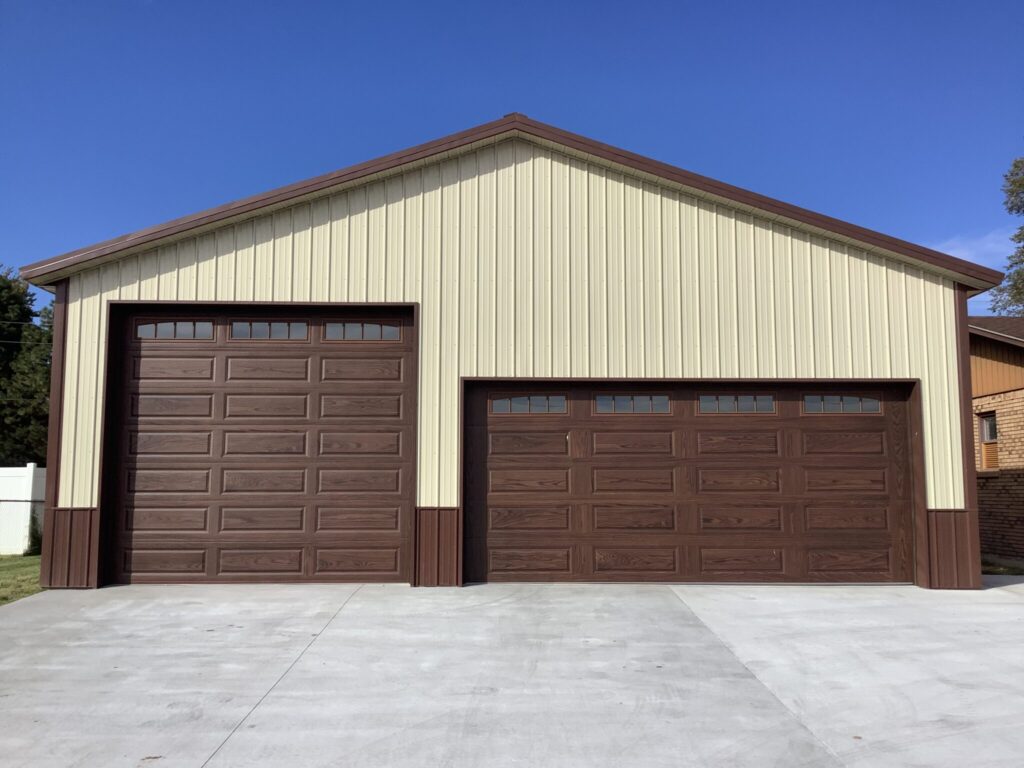
We cover Holliston out of our Bellingham shop, 8.3 miles down Route 126, and openers are a steady share of the calls that come from this side of town – older houses with original chain-drive units that have simply worn out, and newer colonials where a safety sensor got bumped during yard work and the door won’t close past four feet.
Garage Door Opener Repair in Holliston
An opener failure is rarely the motor. The motor and gearbox are built to outlast almost everything else in the system, so when a door won’t respond we start downstream of the unit, not at it. Chain-drive and belt-drive openers both pull a trolley along a rail using a drive gear – that gear is plastic by design, meant to strip before it damages the motor, and a worn or stripped gear is one of the most common reasons an opener runs but the door doesn’t move.
The other frequent cause is the photo-eye safety sensors mounted a few inches off the floor on each side of the track. If they’re out of alignment, covered in cobwebs, or one bracket has been nudged by a bike or a snow shovel, the opener will refuse to close the door at all, or it’ll reverse the second it touches the floor. We also check the logic board for failed capacitors on older units, and we inspect the wall control and wiring, since a frayed low-voltage wire pinched in a door frame causes exactly the same symptoms as a dying opener.
Repair means replacing the failed part – drive gear, sensor, wall button, circuit board – and testing the door through a full cycle before we leave. Replacement, when the motor itself has failed or the unit predates modern safety standards, means sizing a new opener to the door’s weight and cycle demands, not just swapping in whatever’s cheapest.
What we look at
What we look at
An opener problem is almost always a door problem wearing an opener’s symptoms. We check the whole system before we touch the unit itself.
Door balance and spring system
We disconnect the opener and move the door by hand. A balanced door holds its position anywhere on the track. If it drops on its own or shoots up, the torsion or extension springs are carrying the wrong tension for the door’s weight, and the opener has been fighting that imbalance every cycle – which is exactly what burns out a drive gear or a motor early. Spring work is not something we hand back to the homeowner. Torsion springs in particular are wound under enough force to cause serious injury, and that repair stays with us.
Cable and drum condition
The lift cables run from the bottom bracket up to the cable drums at each end of the torsion shaft. We check both for fraying, for a cable sitting off its groove, and for a drum that’s cracked or loose on the shaft. A door that’s gone crooked in the opening, or that bangs on one side as it moves, is usually a cable or drum issue, not the opener.
Track and roller alignment
Rollers that have worn down or a track that’s bowed or knocked out of plumb make the opener work harder than it should on every single cycle. That extra resistance is what trips the force sensing and causes random reversals that look like an electronic fault but aren’t.
Opener force, limits, and safety reversal
Every modern opener has limit settings that tell it where open and closed actually are, and a force setting that tells it how hard to push before assuming something’s in the way. We check both against the door’s real travel and confirm the safety reversal test – the door has to stop and reverse the instant it meets resistance near the floor. This is a federally mandated safety feature, not an optional adjustment, and we don’t leave a job without confirming it works.
Homes in Holliston
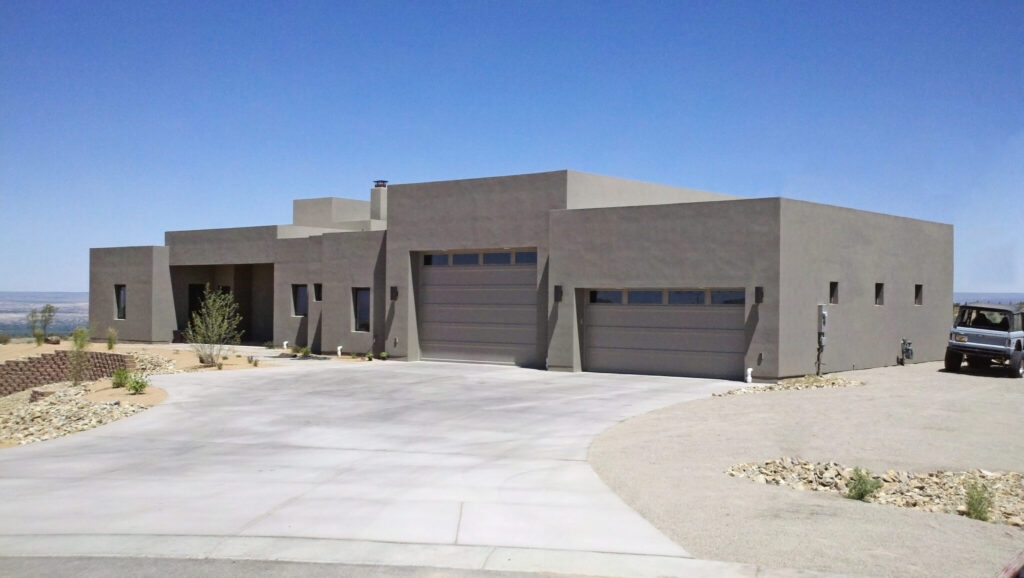
Holliston’s housing runs older than a lot of its neighbors closer to 495 – plenty of capes and colonials from the 1960s and 70s around the center of town, with detached single-car garages or a converted barn-style structure that was never built with a modern opener in mind. Those garages often still carry the original chain-drive unit, sometimes decades old, bolted to framing that’s shifted slightly over the years, which throws off rail alignment more than people expect.
Out toward the newer development on the west side of town, attached two-car garages with double doors and belt-drive openers are standard, usually installed with the house and now reaching the age where the first real service call comes in – a stripped gear, a dying logic board, or sensors that were never quite leveled at install. Either way, we size the fix to the door and opener actually on the wall, not to a generic replacement.
What it costs
We carry common opener parts – drive gears, sensor pairs, logic boards, wall controls – on the truck, so most repairs finish in one visit without a second trip for parts.
What it costs
A sensor realignment or a wall control swap sits at the low end, roughly {PRICE_LOW}. A full opener replacement with a new drive unit sized to a heavier insulated door runs toward {PRICE_HIGH}. What moves the number: whether the issue is a part swap or a full unit, the opener’s horsepower and drive type, whether we’re also correcting a spring or cable issue found during diagnosis, and if the old unit needs to come down and be hauled away. We quote the job after we’ve seen the door, not before.
Got Questions?
Common questions
My opener runs but the door doesn't move. Is the motor dead?
Usually not. The most common cause is a stripped drive gear inside the opener housing – it's a plastic part designed to fail before it damages the motor. We replace the gear rather than the whole unit in most cases.
The door reverses right before it closes. What's wrong?
That's almost always the safety sensors – the two small eyes mounted near the floor on each side of the track. Misalignment, a loose bracket, or something blocking the beam all cause the same reversal. It can also mean the force setting needs adjusting if the door is dragging on a worn roller or track.
Can I just replace the opener myself?
You can, but sizing it wrong for the door's weight and cycle demands causes the same failures again within a year or two. We also check the door's balance and spring tension before installing, since a new opener on an unbalanced door burns out just as fast as the old one did.
Is it safe to keep using the door if the safety reversal isn't working?
No. If the door doesn't stop and reverse when it meets resistance near the floor, don't use the opener until it's fixed. That feature exists specifically to prevent serious injury and it's not something to leave for later.
Do you work on both chain-drive and belt-drive openers?
Yes, and screw-drive units as well. The diagnostic steps are the same regardless of drive type – it's the drive gear, belt, or screw mechanism itself that differs.
How fast we can get there
Holliston is 8.3 miles from our Bellingham shop, a straight run that keeps travel time short on most days. We don’t promise a fixed arrival window here since traffic on 126 and the day’s existing calls both play into it, but it’s a quick trip for us and we schedule Holliston calls accordingly.
Request a Free Quote
For non-urgent opener issues, or if you want a quote on replacing an aging unit before it fails outright, reach out and we’ll look at the door, the opener, and the drive system together and give you a straight answer on what it needs.
Schedule Garage Door Opener Service
If the door is stuck and the car’s trapped behind it, call and describe what you’re seeing – whether the opener runs but the door won’t move, whether it reverses, whether there’s any sound at all. That tells us what to bring before we’re on your driveway.