
- Services
- Garage Doors
- Service Areas
Attleboro, MA
Bellingham, MA
Canton, MA
Framingham, MA
Franklin, MA
Franklin, MA
Mansfield, MA
Milford, MA
Natick, MA
North Attleboro, MA
Uxbridge, MA
Walpole, MA
Woonsocket, RI
Ashland, MA
Ashland, MA
Blackstone, MA
Cumberland, RI
Dover, MA
Foxborough, MA
Holliston, MA
Hopkinton, MA
Medfield, MA
Medway, MA
Mendon, MA
Westwood, MA
Sharon, MA
- About
- Contact
- Emergency Repair
Garage Door Spring Repair in Medway, MA
If you heard a bang from the garage before the door quit on you, that was almost certainly a torsion spring letting go. The door might be sitting an inch off the floor, or it might have stopped halfway up with the opener straining against it. Either way, something in Medway’s older housing stock or a newer build off Holliston Street has finally reached the end of its cycle life, and the door is not safe to force.
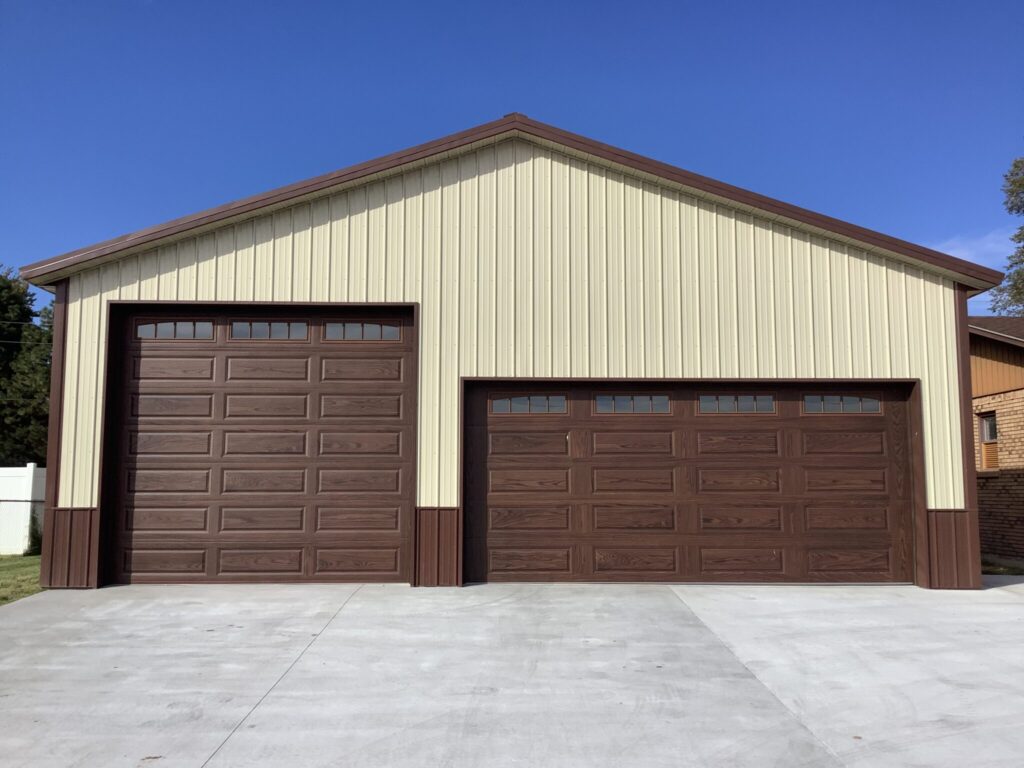
Medway sits about four miles from our shop in Bellingham, so we’re already familiar with the mix of garages in town before we pull in the driveway. This page covers what actually breaks, what we check before touching anything, and what a repair runs, so you know what to expect before we arrive.
Garage Door Spring Repair in Medway
Most garage doors run on one of two spring systems. A torsion spring sits on a shaft above the door and twists to store energy, turning cable drums at each end that wind the lift cables as the door closes. An extension spring runs along each horizontal track instead and stretches to do the same job. Torsion springs are more common on anything installed in the last twenty years because they balance the door more evenly and put less strain on the opener.
When a torsion spring breaks, it usually snaps cleanly in the middle, and you will see a gap in the coil and hear that bang at the moment it lets go. The door becomes dead weight. A door that normally takes one hand to lift can suddenly weigh well over a hundred pounds, which is why the opener will strain, reverse, or trip its own overload protection and refuse to move the door at all.
Repair means replacing the spring, or both springs if they’re a matched pair, with one rated for the correct wire size, length and cycle life for your door’s weight. We also check the cable drums, the stationary cone, and the center bearing while the system is open, since a spring rarely fails without putting extra wear on the parts around it. This is not a job to attempt yourself. A wound torsion spring holds enough stored force to cause serious injury, and we don’t walk customers through releasing or adjusting one over the phone or on site.
What we look at
Door balance and movement
Before we replace anything, we disconnect the opener and move the door by hand to see where it stops and how it feels. A properly balanced door will sit still at roughly half open. If it drops on its own or shoots upward, the springs are no longer matched to the door’s weight, and that imbalance is often what caused the failure in the first place or what will cause the replacement spring to wear out early.
Spring type and cycle rating
We confirm whether you have torsion or extension springs, measure the wire diameter and coil length, and calculate the cycle rating your door needs based on its weight and how often it’s used. A door used several times a day needs a higher-rated spring than one that opens twice a week, and installing the wrong one is a common reason springs fail again within a year or two.
Cable and drum condition
The lift cables and drums take the load the spring releases. We check the cables for fraying near the drum, confirm the drums aren’t cracked, and make sure the cable is seated correctly in its groove. A cable that’s slipped off a drum under tension is a separate hazard from a broken spring, and we won’t call a job finished until both are right.
Tracks, opener settings, and safety reversal
With the springs sorted, we check the vertical and horizontal tracks for alignment, since a door that’s been fighting a dead spring can knock rollers out of true. We also reset the opener’s travel limits and force setting so it isn’t working harder than it needs to, and we run the safety reversal test to confirm the door stops and reverses when it meets resistance, which is a basic safety check that’s easy to skip and important not to.
Homes in Medway
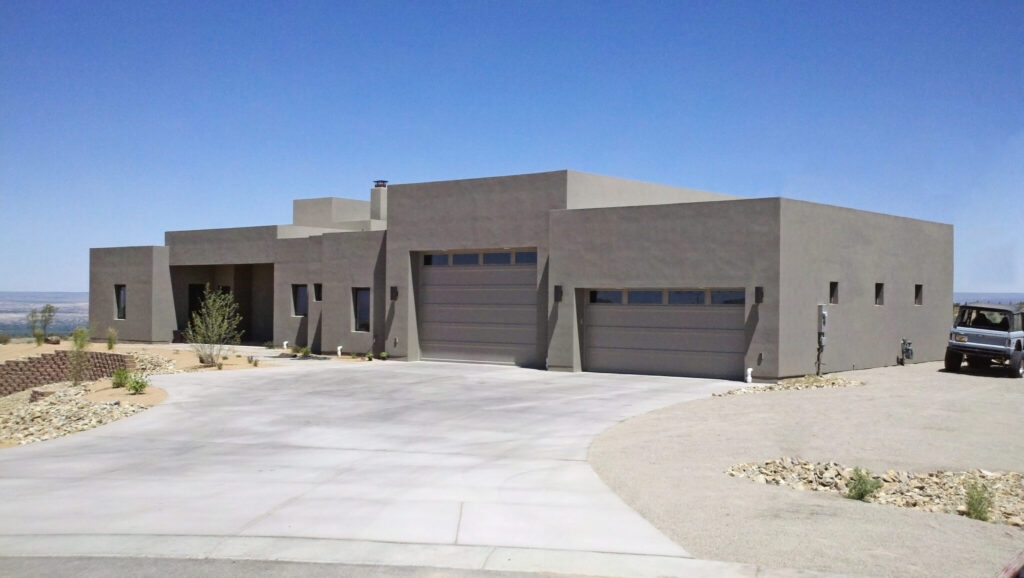
Medway has a good number of colonials and capes from the 1960s and 70s around the center of town, many with attached two-car garages and single 16-foot doors rather than two separate bays. Out toward the Holliston and Milford lines you’ll find newer construction with wider garages and taller doors to fit higher ceilings, which generally means a heavier door and a correspondingly stronger spring setup.
We also still see older single-car garages on some of the smaller lots closer to downtown, occasionally with a wood door still in service. Wood doors are heavier than steel or composite for their size, which means the torsion spring doing the lifting works harder over the same number of cycles, and it’s one more reason spring selection has to match the actual door rather than a generic size chart.
None of this changes the basic advice: don’t force a door that won’t lift, and don’t let anyone stand under it while it’s stuck halfway. Call us and we’ll get it moving properly.
What it costs
A straightforward single-spring torsion replacement typically runs between {PRICE_LOW} and {PRICE_HIGH}, with the final number depending on whether one spring or a matched pair needs replacing, the spring’s cycle rating, whether cables or drums also need work, and whether your door is a standard single-car size or a larger double door that needs a heavier spring. We’ll give you the actual number for your door before we start, not after.
How fast we can get there
Medway is about four miles from our base in Bellingham, which keeps drive time short on most calls. We won’t promise a fixed arrival window here, but it’s a close run for us and we treat a stuck or half-open door as the priority it is.
Got Questions?
Common questions
Can I open the garage door myself if the spring is broken?
You can sometimes lift it manually with real effort, but we don't recommend it. Without the spring doing its job, the door is dead weight, and forcing it can damage the tracks, the opener, or you. Leave it closed or wherever it stopped until it's repaired.
Why did my spring break without warning?
Torsion springs are rated for a set number of open-close cycles, generally in the tens of thousands, and they weaken gradually until they finally let go, often with no visible warning beforehand. Age, humidity, and how often the door is used all affect how long a spring actually lasts.
Do I need one spring replaced or two?
Most doors built in the last couple of decades run on two torsion springs. If one has broken, the other has done the same number of cycles and is close behind, so we'll generally recommend replacing both at the same time rather than coming back out in a few months.
Is it safe to drive my car out if the spring is broken?
If the door is stuck in the open position and well clear of the car, moving the car out is usually fine. The risk is with the door itself, not the vehicle, so don't attempt to force the door up or down to get more clearance.
How long does a spring replacement take?
A standard torsion spring replacement is usually finished within a couple of hours, including the balance check and opener reset, though extra work on cables, drums, or tracks adds time.
Request a Free Quote
Not sure if it’s the spring or something else, like an opener fault or a track problem? Call 508-794-7439 or reach out through our site and describe what happened. We’ll talk you through what it likely is and what a fix involves before anyone comes out.
Schedule Garage Door Spring Service
If your spring has broken or the door won’t move, call 508-794-7439 and tell us what you’re seeing and hearing. We carry common torsion and extension spring sizes on the truck for Medway calls, which means most repairs get finished in a single visit.