
- Services
- Garage Doors
- Service Areas
Attleboro, MA
Bellingham, MA
Canton, MA
Framingham, MA
Franklin, MA
Franklin, MA
Mansfield, MA
Milford, MA
Natick, MA
North Attleboro, MA
Uxbridge, MA
Walpole, MA
Woonsocket, RI
Ashland, MA
Ashland, MA
Blackstone, MA
Cumberland, RI
Dover, MA
Foxborough, MA
Holliston, MA
Hopkinton, MA
Medfield, MA
Medway, MA
Mendon, MA
Westwood, MA
Sharon, MA
- About
- Contact
- Emergency Repair
Garage Door Spring Repair in Wrentham, MA
If you heard a bang from the garage before the door stopped lifting, that was a torsion spring letting go. The door will feel heavier than it has any right to be, or it will sit stuck a few inches off the floor, or the opener will strain and reverse without doing anything useful. None of that is the opener’s fault.
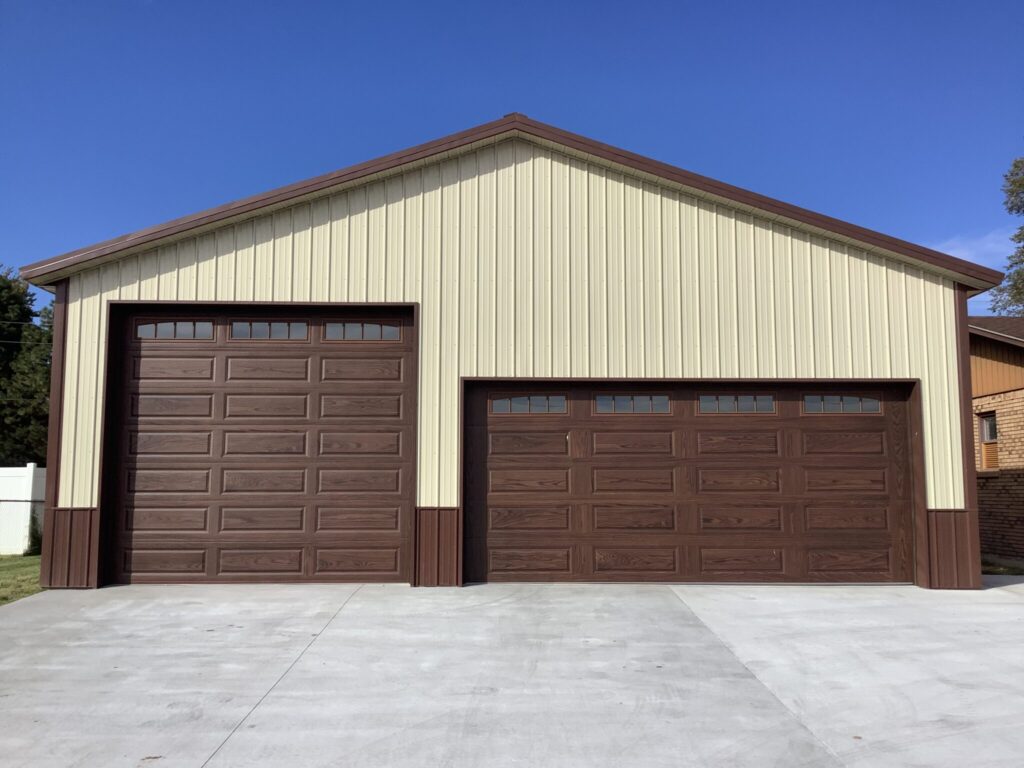
Wrentham has a mix of older colonials near the center with detached single garages and newer builds near the lakes and out toward Route 1A with attached two-car garages. Both styles use the same spring systems underneath, and both fail the same way when a spring reaches the end of its cycle life.
Garage Door Spring Repair in Wrentham
Most residential doors run on one or two torsion springs mounted on a shaft above the opening, or on a pair of extension springs stretched along the horizontal tracks. The spring stores the energy needed to lift the door. When it breaks, that energy is gone, and the door’s full weight transfers straight to the opener’s drive gear and the cables running down to the bottom brackets.
A broken torsion spring usually shows as a visible gap in the coil, a door that drops suddenly when opened, or cables that have come loose from the drums at either end of the shaft because the drum is no longer under even tension. Extension spring failure looks different – one or both springs stretched past their coils, sometimes with the safety cable hanging loose, which is exactly what that cable is there to catch.
The repair means replacing the spring or springs as a matched set, matched to the door’s weight and cycle rating, then resetting cable tension on the drums and checking the door through a full travel cycle before we call it done. This is not a job for winding bars and a ladder. The stored tension in a torsion spring is enough to break fingers, wrists and worse, and we do not walk customers through doing it themselves over the phone or in writing. It gets fixed properly or it does not get touched.
What we look at
What we look at
Every Wrentham service call starts with a full inspection, not just a spring swap. We examine spring tension, hardware wear, and surrounding components to confirm what’s actually causing the issue before recommending a fix.
- Spring condition and wind
- Mounting hardware
- Surrounding components
Door balance and movement
With the opener disconnected, a correctly sprung door should hold position anywhere on the track and move with one hand. If it slams down or shoots up, the spring tension no longer matches the door weight, whether that’s from the recent failure or from a slow mismatch that built up over months.
Spring type and cycle rating
We confirm whether the door is running torsion or extension springs, the wire size and length, and the cycle rating stamped or coded on the spring. A door used daily needs a higher cycle rating than one opened twice a week, and installing the wrong rating is why some springs fail again within a year or two.
Cable and drum condition
The lifting cables run from the bottom brackets up to drums on the torsion shaft. We check for fraying, for cables that have jumped the drum groove, and for drums that have slipped on the shaft, since any of those will throw the door out of level even after a new spring goes in.
Tracks, opener settings, and safety reversal
We look at track alignment and roller condition, then test the opener’s force and limit settings now that the spring is doing its share of the lifting again. Last, we run the safety reversal test – the door has to stop and reverse on contact with an obstruction, and if it doesn’t, that gets corrected before we leave regardless of what brought us out.
Homes in Wrentham
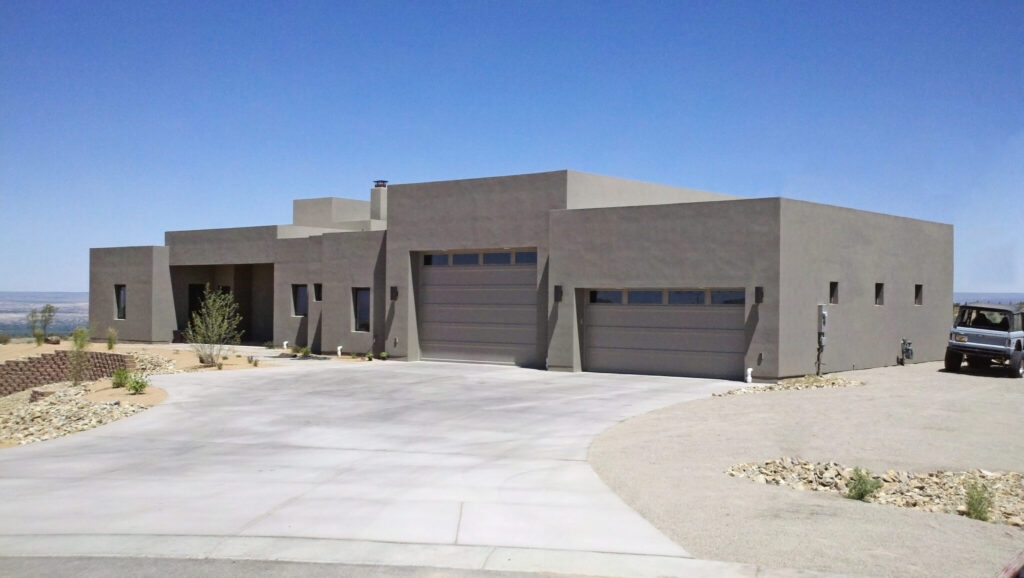
Wrentham’s older housing stock around the center and along Route 121 tends toward detached single garages built for one car, often with a door no wider than nine feet, and a fair number of these still run their original wood doors or early steel replacements on extension springs. Those systems were built for a lighter door and a lower duty cycle than what gets asked of them now.
The newer construction around the lakes and in the developments off South Street and toward Franklin runs wider – attached two-car garages with 16-foot doors are common, and those almost always use torsion springs, usually a pair, because a double-wide steel or insulated door is too heavy for a single spring to manage safely over any real number of cycles.
What it costs
Either way, the fix depends on matching new springs to the door in front of us, not installing whatever is on the truck.
What it costs
Spring repair in Wrentham typically runs between {PRICE_LOW} and {PRICE_HIGH}. Where you land in that range depends on whether it’s one spring or a pair, the wire size and cycle rating the door needs, whether cables or drums need replacing alongside the spring, and whether it’s a standard torsion setup or an older extension system that needs extra work to bring up to a safer configuration.
Got Questions?
Common questions
Can I just replace one spring if only one broke?
On a two-spring torsion system, we generally recommend replacing both. They wear at close to the same rate, and the old one is usually close behind. Leaving a worn spring in place next to a new one often means a second service call within months.
Is it safe to keep opening the door with the opener after a spring breaks?
No. Without the spring doing its share of the lifting, the opener's drive gear and the cables take the full weight of the door, which can strip the gear or snap a cable. Leave the door closed and avoid using the opener until it's repaired.
How long do garage door springs usually last?
It comes down to cycle count rather than years. A spring rated for a given number of open-close cycles will last longer on a door used occasionally than on one opened multiple times a day, which is why cycle rating matters more than the spring's age.
My door has extension springs, not torsion springs. Does that change the repair?
The mechanism is different but the risk and the rule are the same – it's under tension and it's not a DIY repair. We check the safety cables through the center of each spring at the same time, since those are what keep a broken extension spring from becoming a projectile.
Why did the spring break with no warning?
Most springs don't give a warning. They're rated for a set number of cycles and they fail at the end of that life, sometimes mid-use. Rust and poor lubrication can shorten that life, but the failure itself is usually sudden rather than gradual.
How fast we can get there
Wrentham is about 2.4 miles from our base in Bellingham, which keeps it a short run for us on most days. We won’t put a fixed response time in writing here, but the short distance means a trapped car or a door stuck half open doesn’t sit on a long drive before someone shows up.
Request a Free Quote
If the door is stuck but not blocking anything urgent, you can reach out through our contact form or by phone at 508-794-7439 for a quote before scheduling the repair. We’re licensed and insured in MA and NH.
Schedule Garage Door Spring Service
Call 508-794-7439 and describe what you’re seeing and hearing – a bang, a stuck door, cables hanging loose. That tells us what to bring so the visit covers the actual repair, not just a diagnosis.